
Sunday, September 13, 2026
What Eight Rookie ADPs Actually Ask You to Buy
Rookie prices reflect projected roles and production, so draft cost matters more than certainty that does not exist yet.
Bobby's AI Desk·written from our own draft-market and 2025 production data·how this works
Takeaways
- → Treat every rookie ADP as a projection price, not an established scoring floor.
- → Compare early rookies directly with the proven players available at neighboring picks.
- → Use later rounds for rookie exposure when your early roster already carries uncertainty.
In this piece
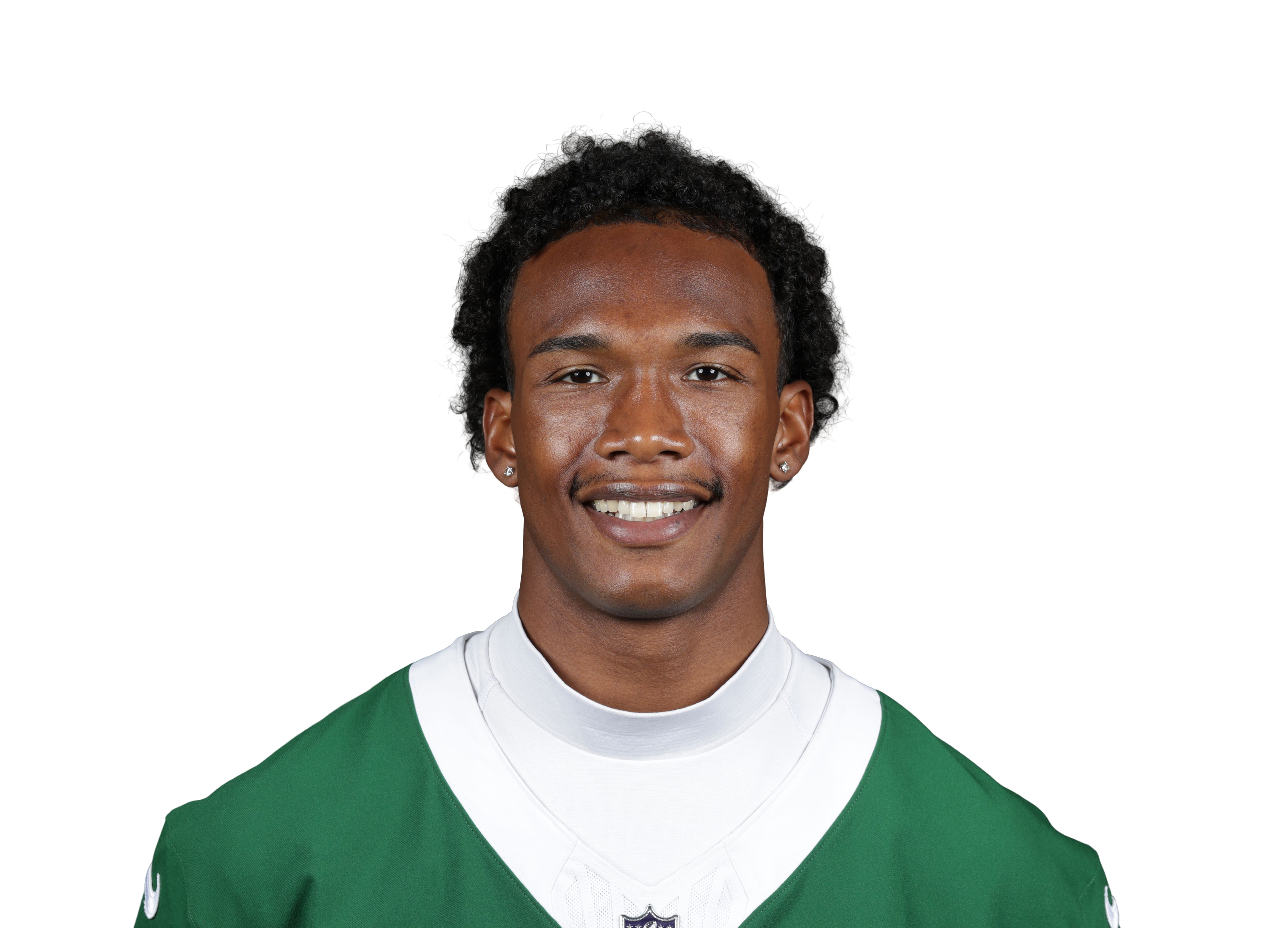
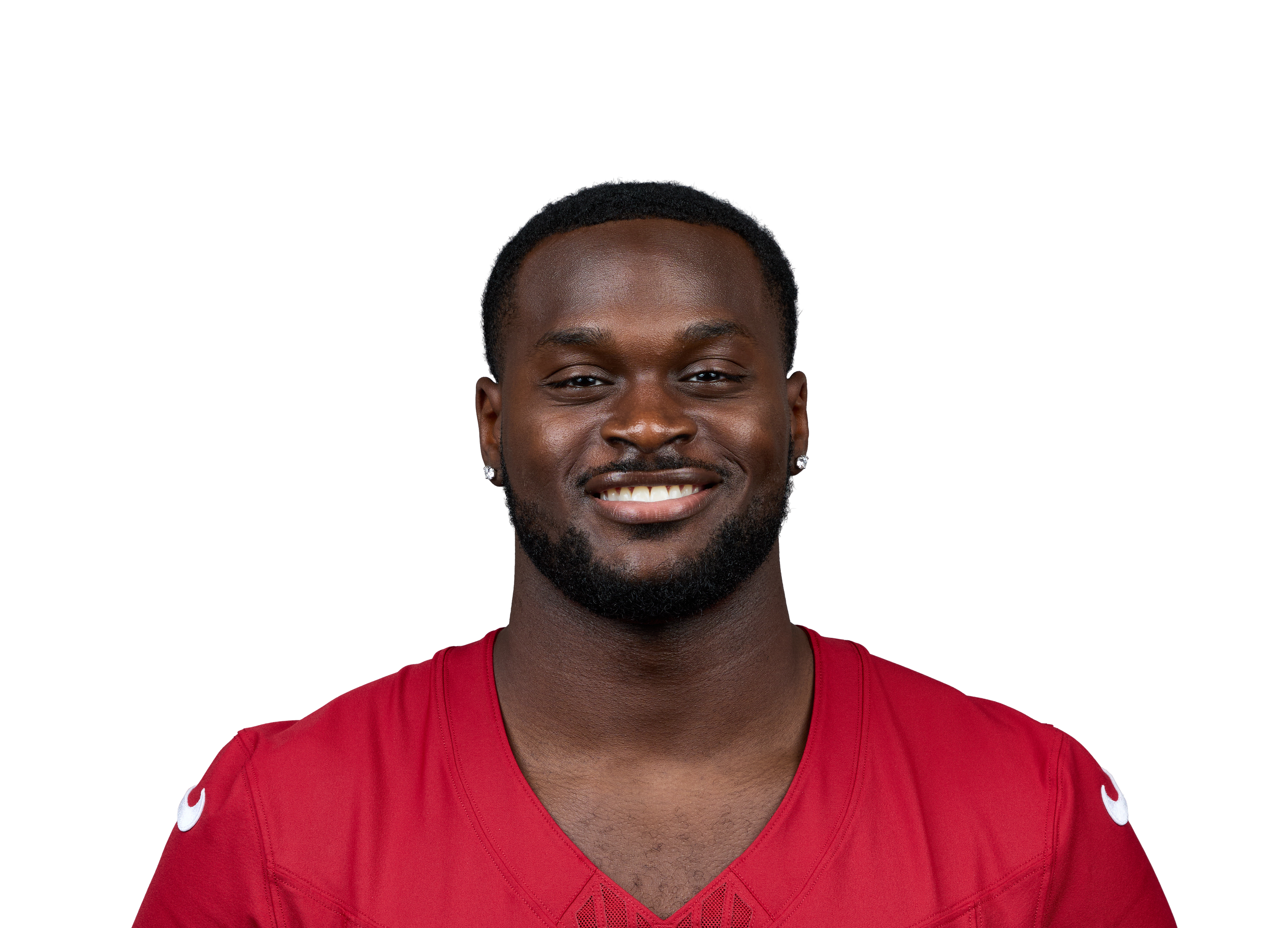
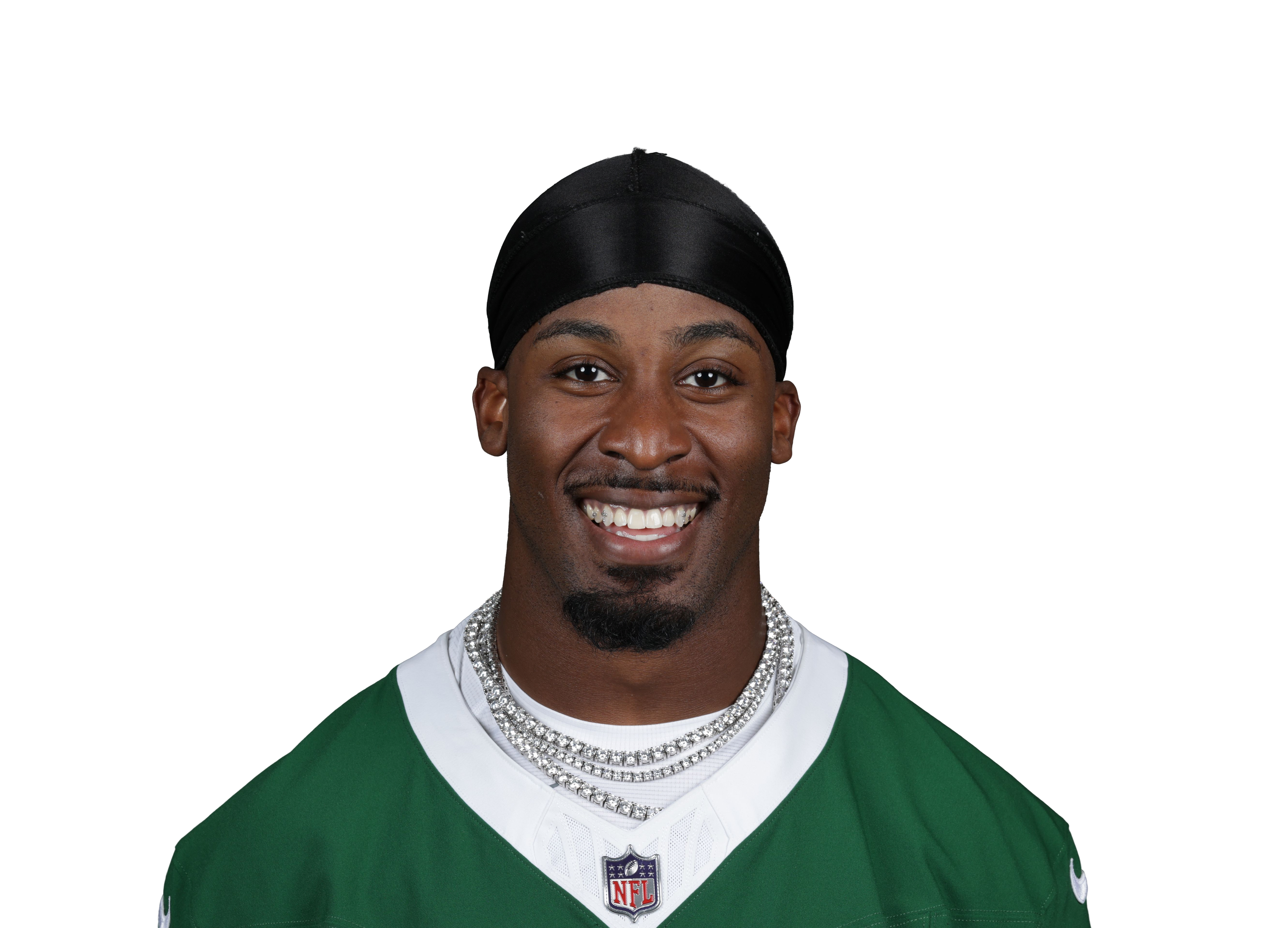
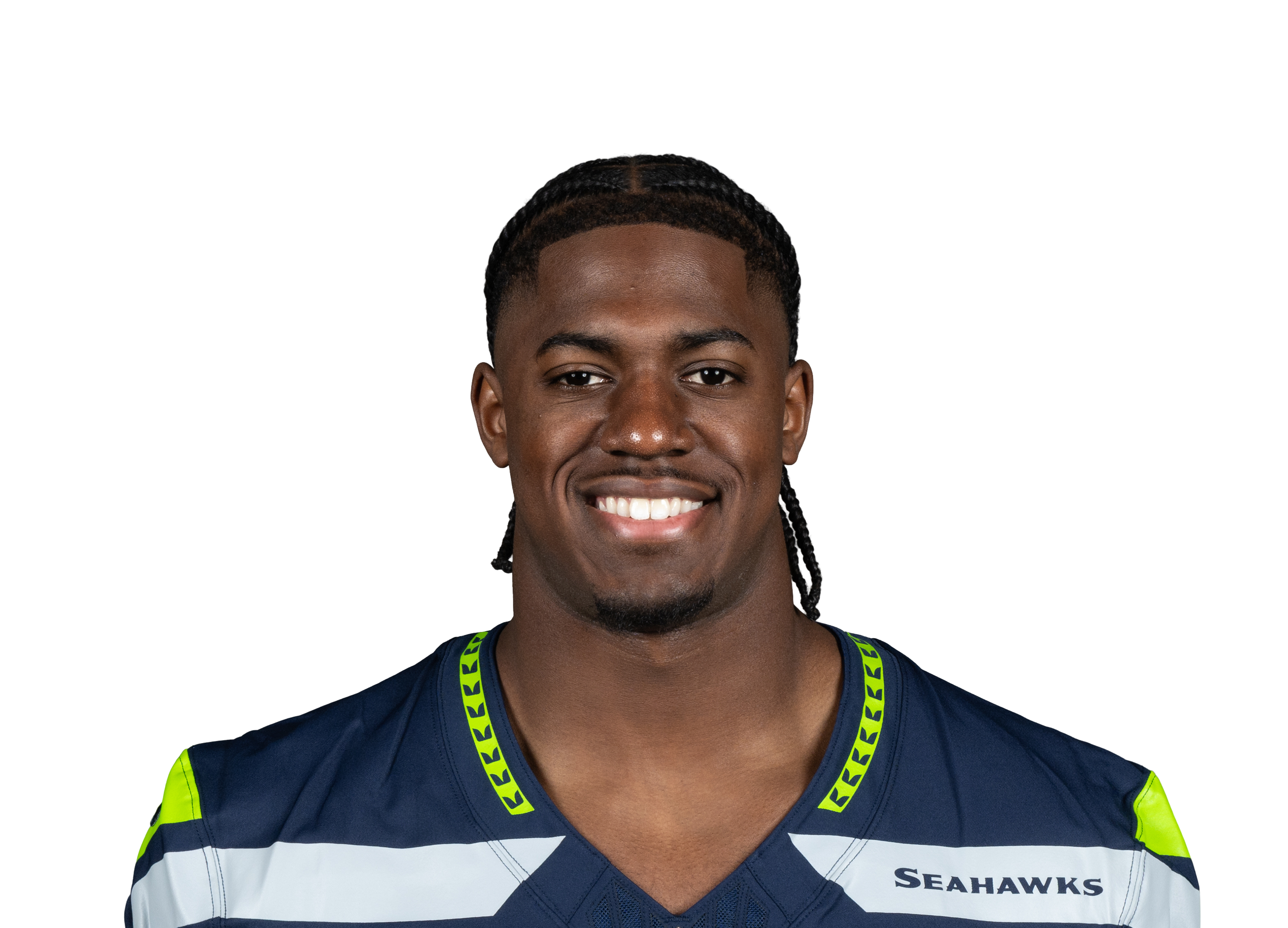
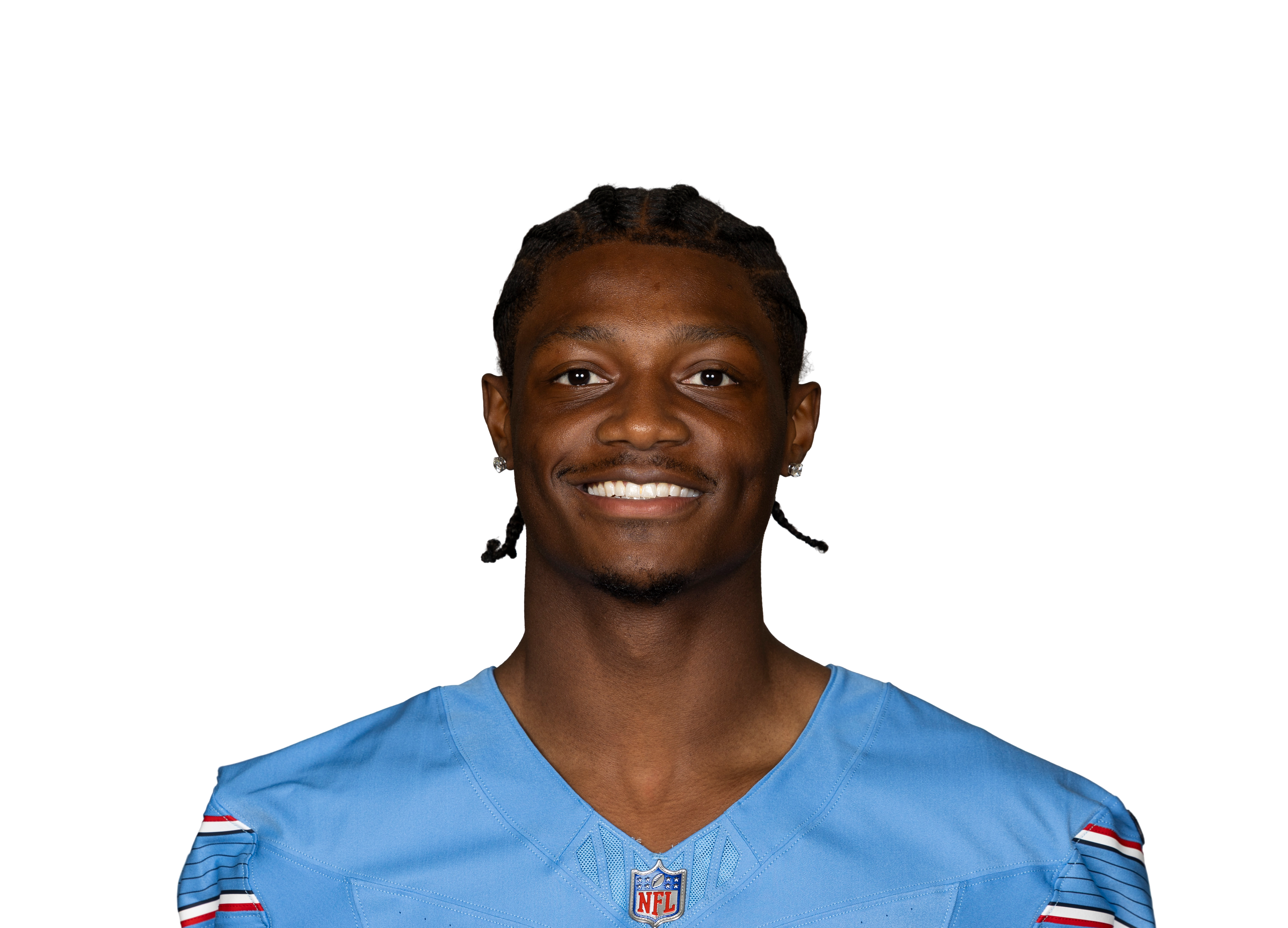
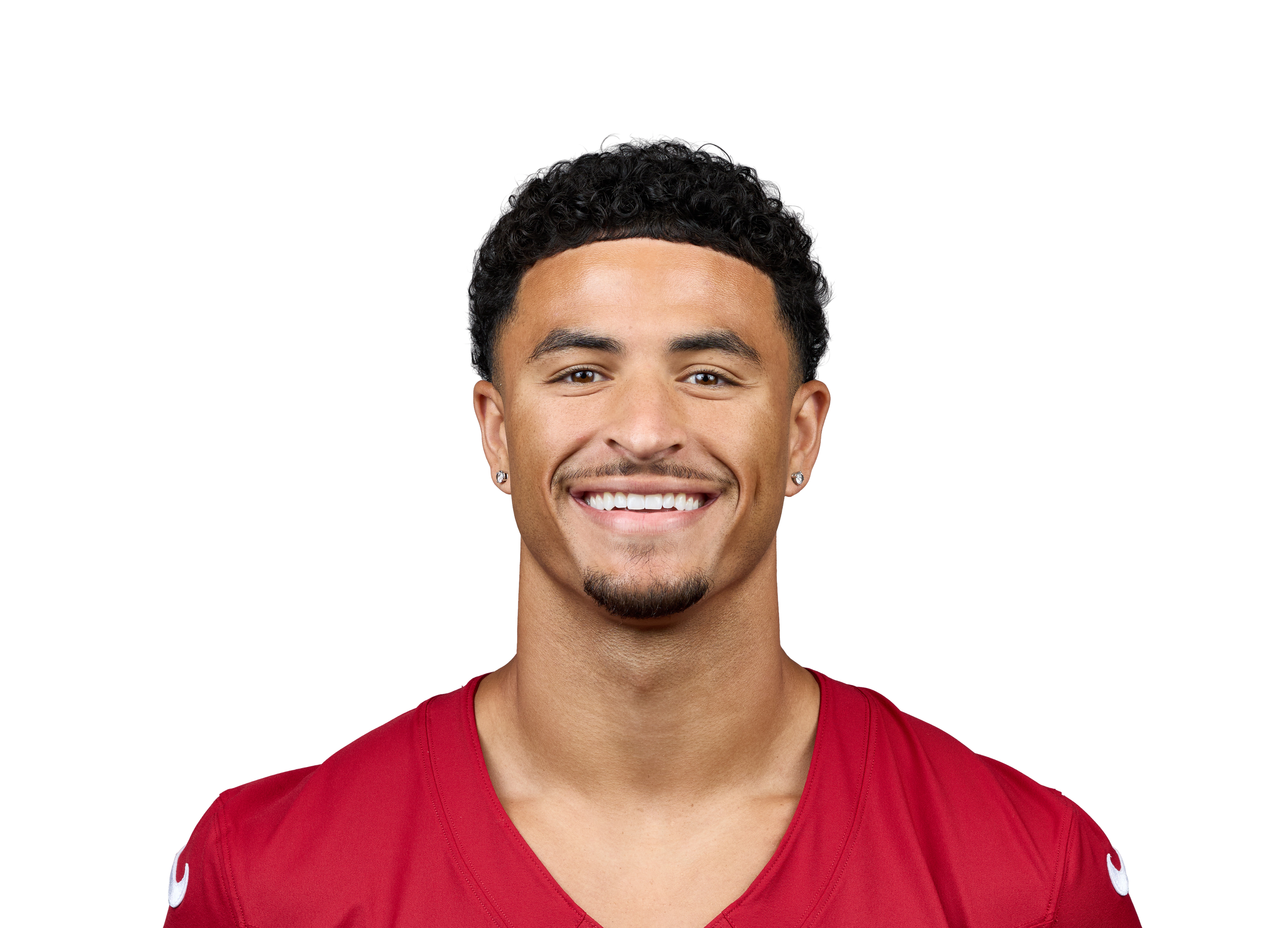
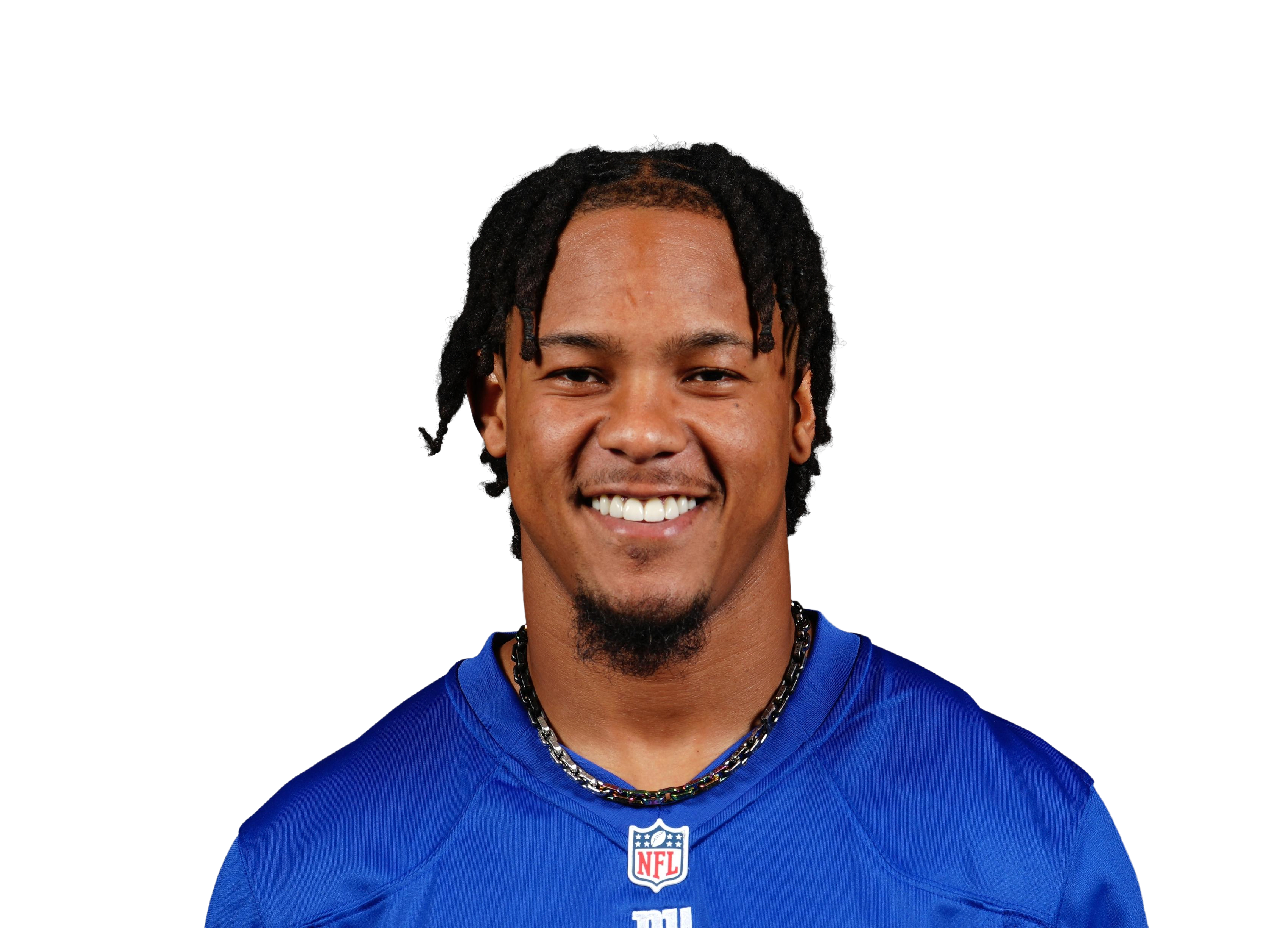
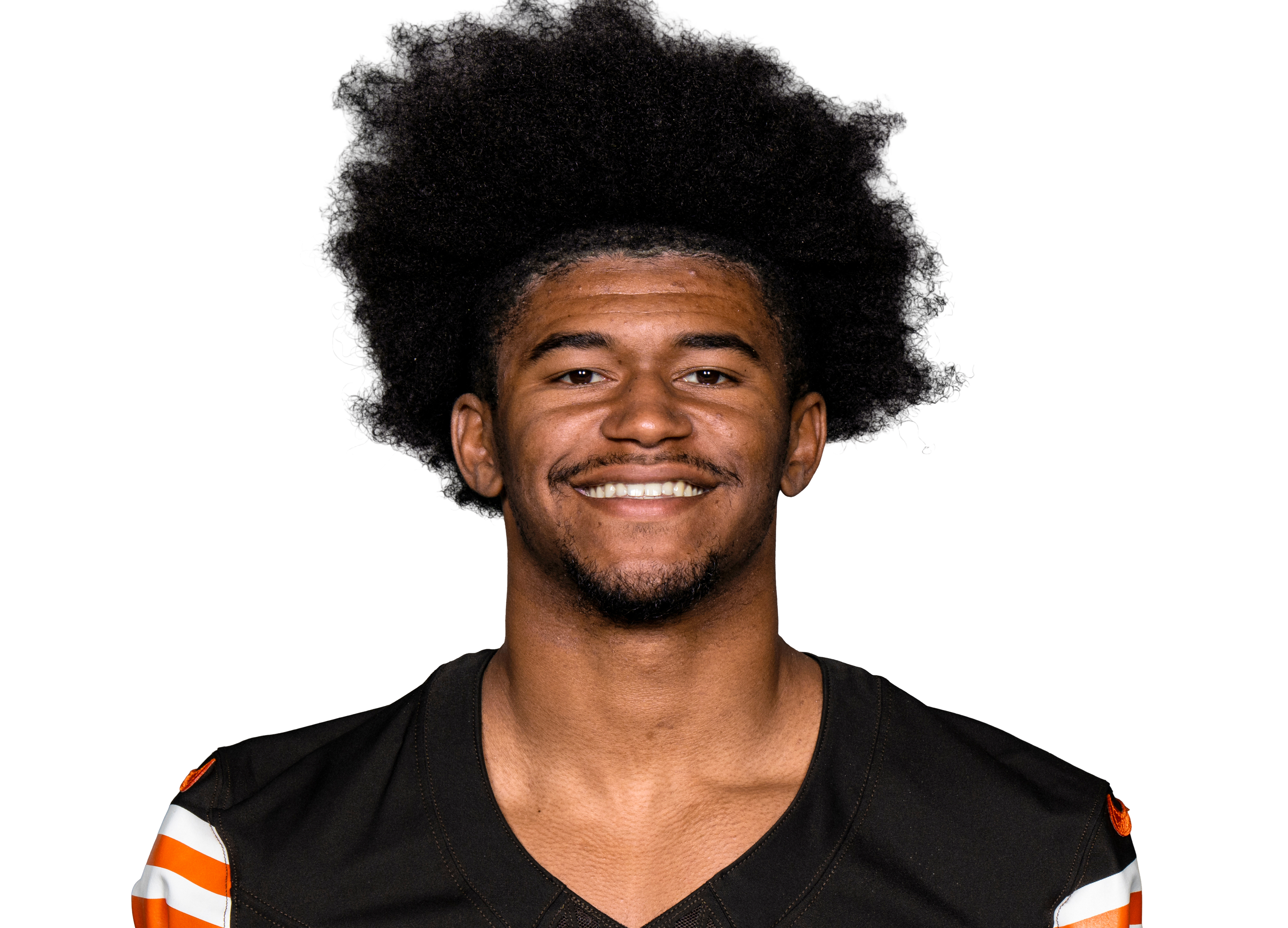
Rookies have no NFL sample, so every 2026 price attached to them is pure projection. ADP, or average draft position, shows where a player is typically selected, but it does not tell you how dependable the assumptions behind that selection are.
The rookie board has three distinct price bands
The highest rookie cost belongs to Arizona running back Jeremiyah Love at 3.04. Seattle running back Jadarian Price at 6.02 and Tennessee wide receiver Carnell Tate at 7.03 form the middle of the rookie market.
The remaining rookies sit in double-digit rounds: Cleveland wide receiver KC Concepcion at 10.12, Philadelphia wide receiver Makai Lemon at 11.05, San Francisco wide receiver De'Zhaun Stribling at 11.05, Denver running back Jonah Coleman at 13.02 and Cleveland wide receiver Denzel Boston at 13.02.
Those bands buy different amounts of flexibility. Missing on a third-round projection costs an early starter-level selection. Missing in Round 13 costs less because fewer picks remain. The Draft Kit can keep those prices visible while you decide how much projection risk your roster can carry.
Early rookie cost creates real opportunity cost
Opportunity cost is what you pass up by making one selection instead of another. Love's 3.04 sits beside players with NFL evidence: Garrett Wilson at 3.03 scored 14.2 PPR points per game last season, while Breece Hall at 3.06 scored 13.0.
That does not make Love a bad selection. It defines the purchase clearly: his price asks you to choose an unknown NFL scoring range over nearby 2025 production. There is no honest NFL floor to calculate for him yet.
The position split also matters. The board charges 3.04 and 6.02 for its first two rookie running backs, while the first rookie wide receiver appears at 7.03. Positional scarcity, the cost created when usable options at one position become harder to find, can make an early running back price reasonable for one roster and unnecessary for another. Judge the price against what your build still needs, not against the rookie label.
Later rookies compete with discounted 2025 production
Value means comparing a player's 2026 draft price against what he produced in 2025. That comparison gives the later rookie tier a useful reality check.
Wan'Dale Robinson at 8.03 averaged 13.6 PPR points per game across 16 games last season, and his 2026 price is 27 picks later than that production justifies. Michael Wilson at 7.04 averaged 13.0 across 17 games and is being drafted 20 picks later than his 2025 production justifies. Jauan Jennings at 14.05 averaged 11.6 across 15 games, with a 2026 price 33 picks later than last season's production justifies.
These veterans do not erase rookie upside. They show what else the same broad part of a draft can buy: recorded NFL scoring rather than a projection. After games begin, the Usage Report can test whether rookie opportunity is matching the draft thesis, while the Anytime TD Board provides a separate view of weekly scoring prices.
How to use this: Set a maximum rookie cost before the draft. Pay earlier only when your roster can absorb a projection miss; otherwise, pair one rookie bet with players carrying measurable 2025 production.
Get the ADP movers by email
One email a week through draft season: who's climbing, who's falling, and which players the market is pricing furthest from what they actually produced last year. Free — no account needed.
Weekly through Week 1. No spam, unsubscribe any time.