
Monday, September 14, 2026
Drafting Weekly Ceiling Without Wrecking Your Floor
Last season’s spike and dud rates show where weekly upside is worth its draft cost, and where volatility becomes a liability.
Bobby's AI Desk·written from our own draft-market and 2025 production data·how this works
Takeaways
- → Pay for spike weeks only when your early roster can absorb dud games.
- → Compare current ADP with 2025 production before labeling volatility a bargain.
- → Use later picks for uncertain ceilings, especially when no NFL sample exists.
In this piece
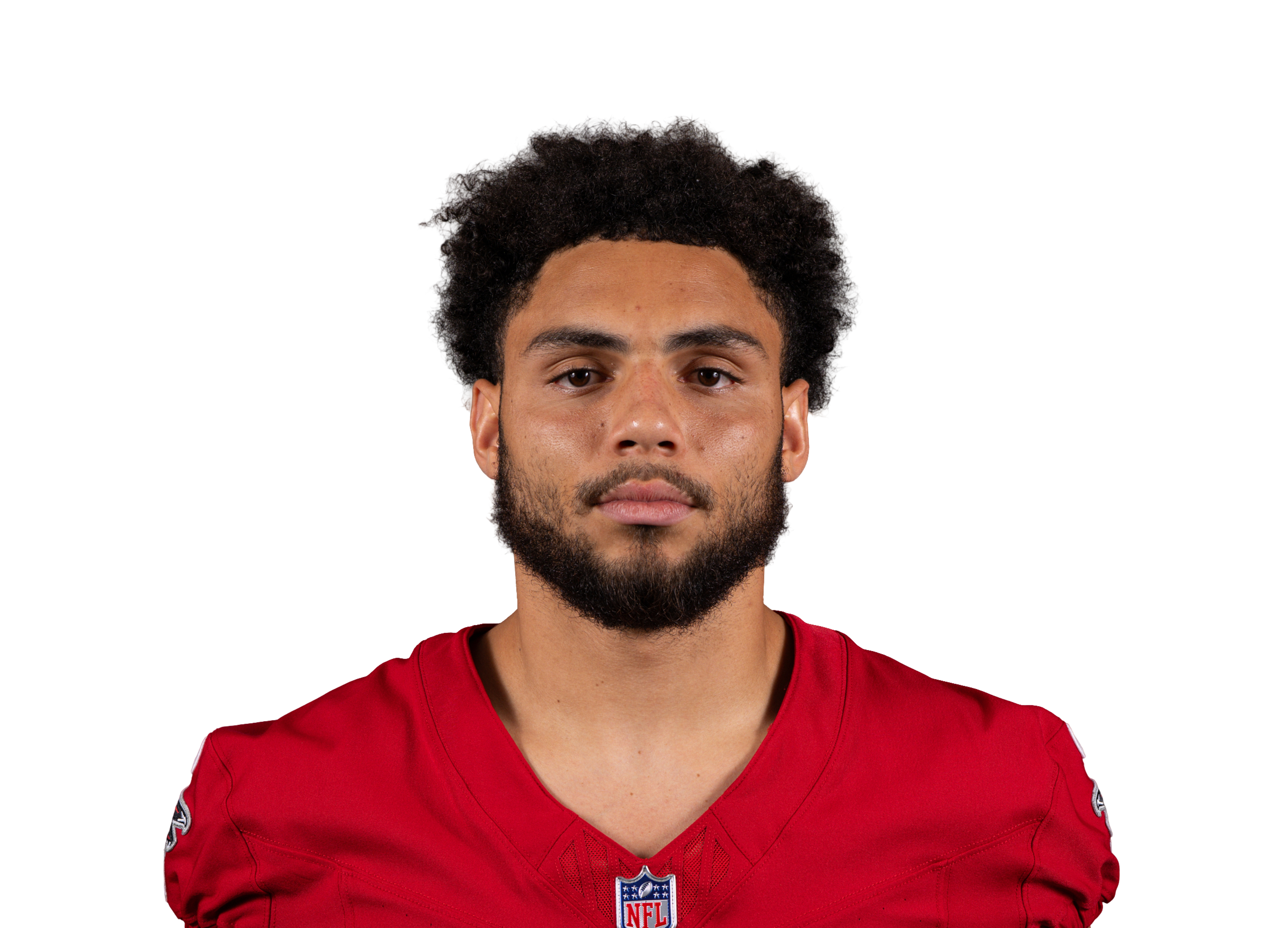

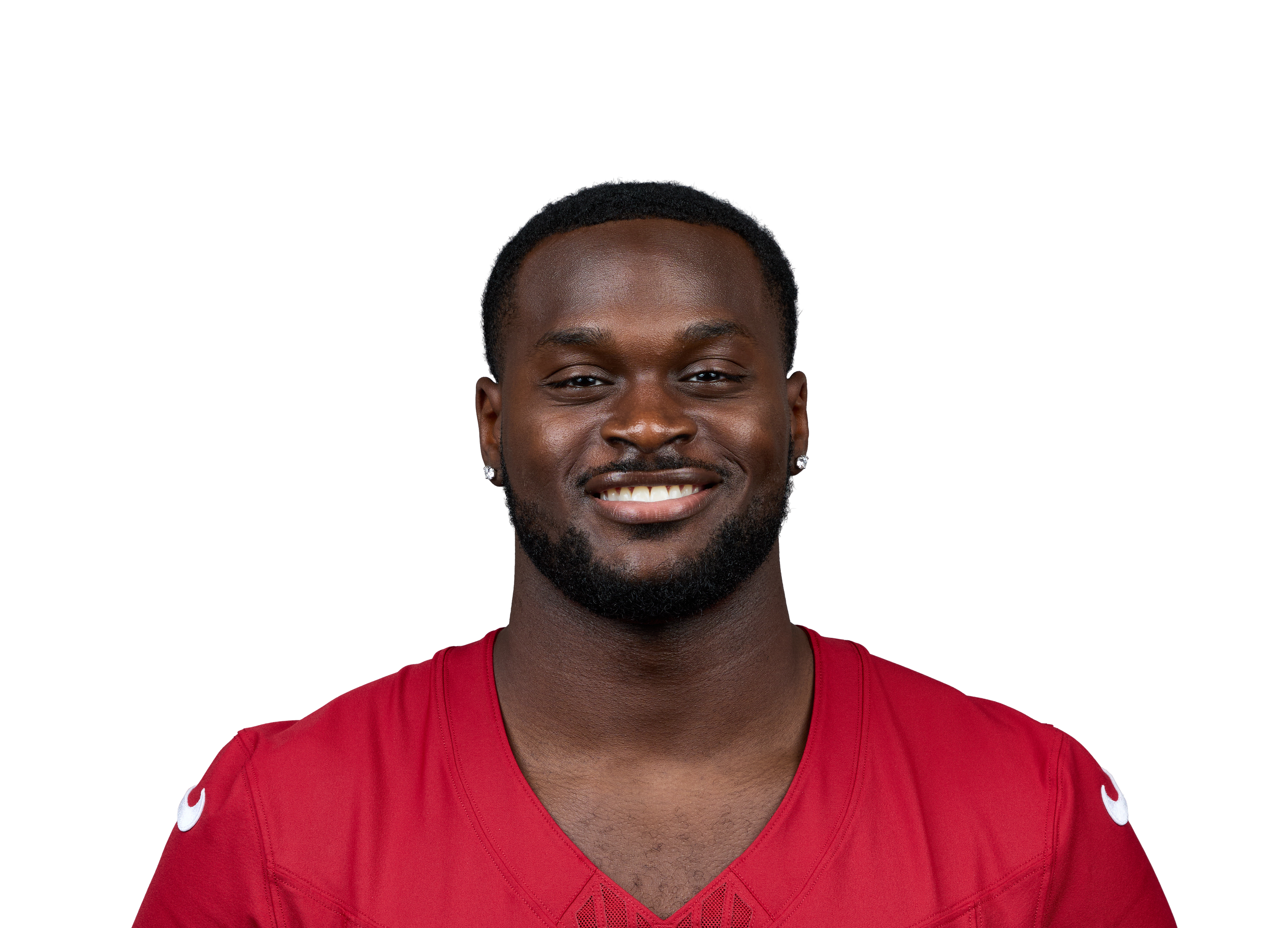

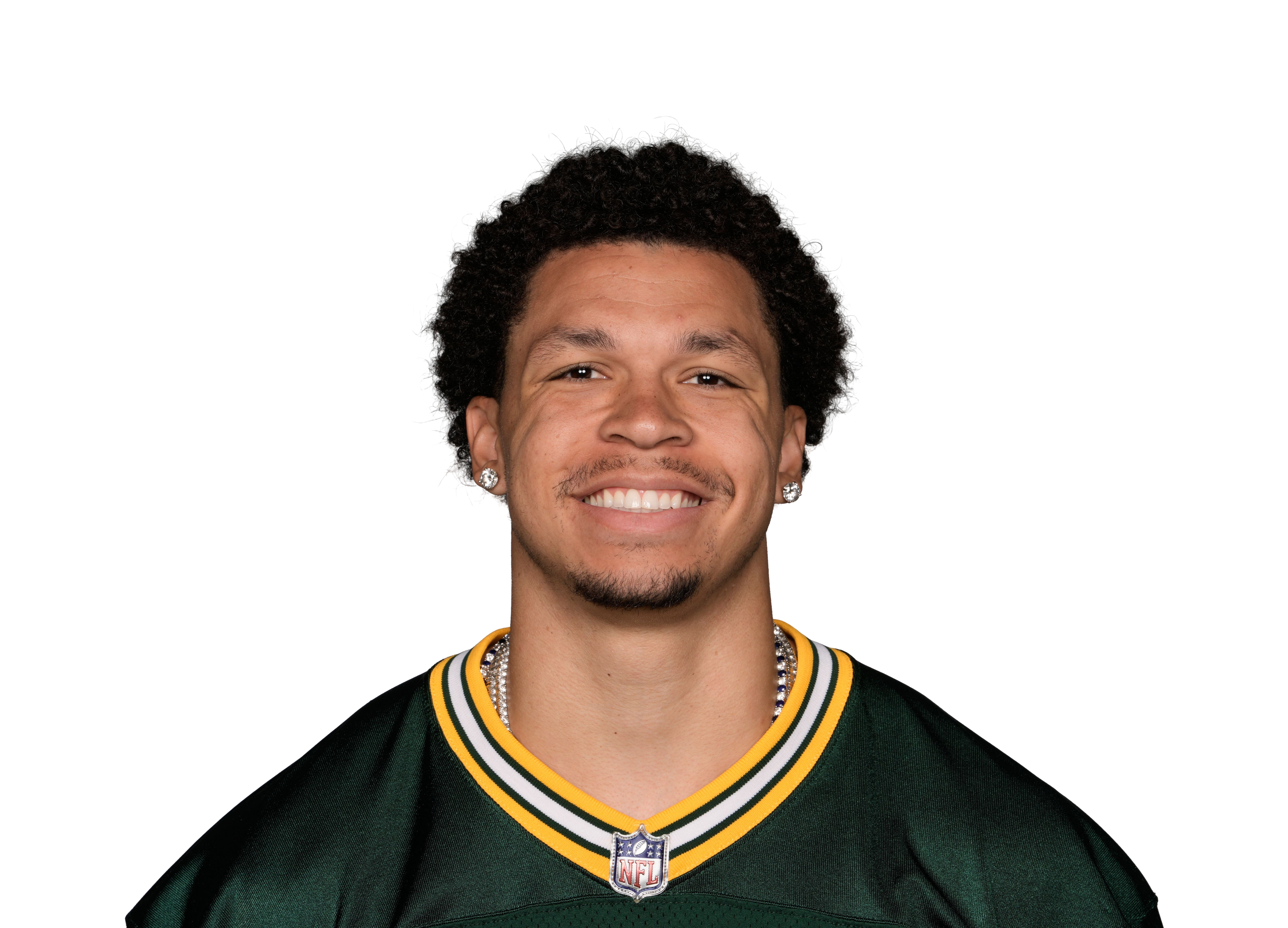
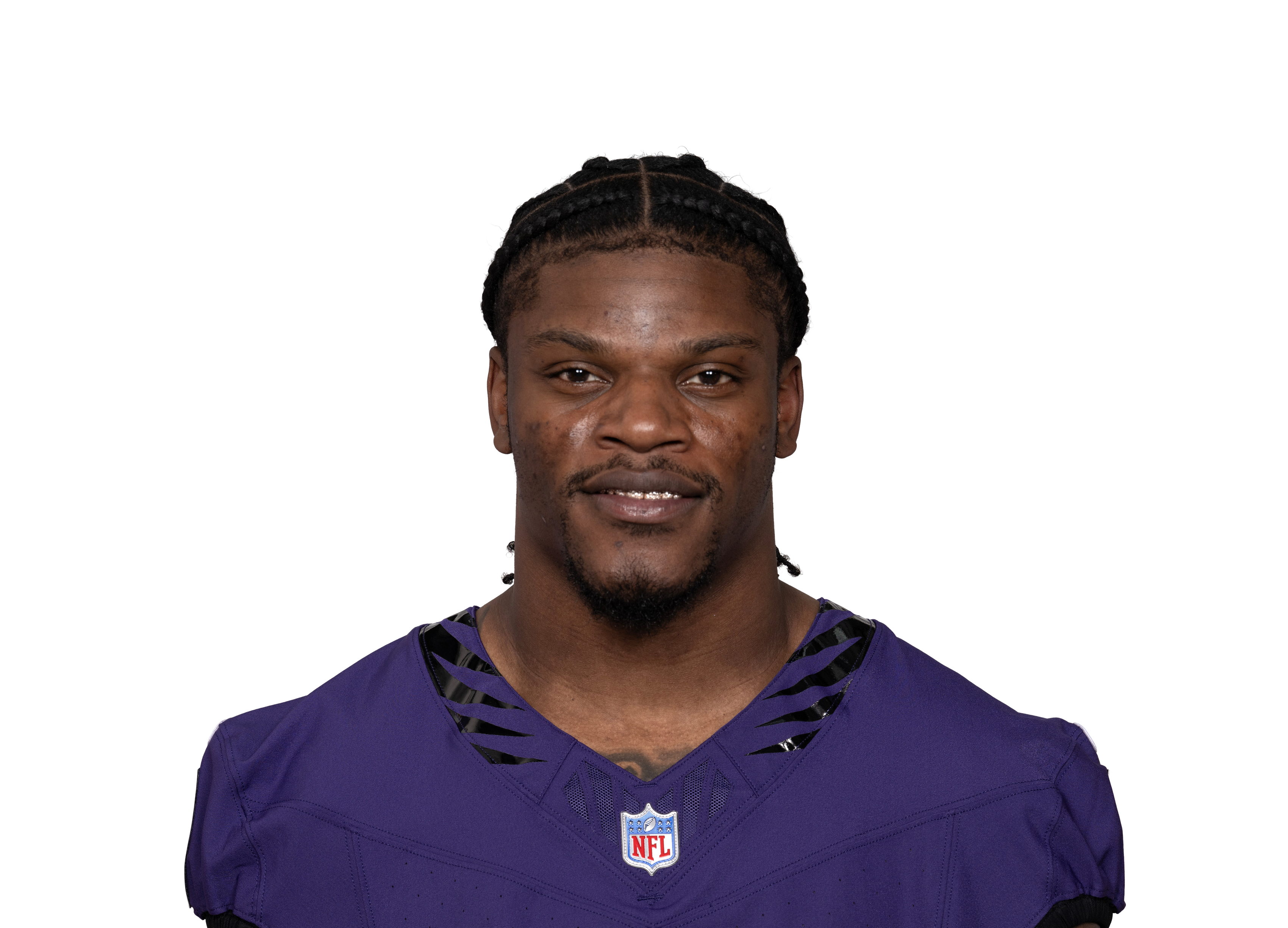


Fantasy matchups are often decided by spike weeks, not tidy season averages. A boom/bust profile, meaning frequent big scores paired with meaningful dud risk, can help create those wins, but only when the draft price leaves room for misses. Every production number below comes from last season, 2025.
The biggest ceilings came with real downside
A 20-point game is a useful marker for week-winning upside. Joe Burrow reached that mark in 50% of his 2025 games, the highest rate here, but scored under 8 points in 25%. Lamar Jackson posted 20-plus in 46% and fell below 8 in 31%.
That trade-off also appears at receiver. Garrett Wilson cleared 20 points in 43% of games and missed 8 in 29%. Christian Watson had a lower 30% boom rate and a higher 40% dud rate. Similar upside labels can therefore hide very different costs to your weekly floor.
Use the Usage Report during the season to study whether opportunity supports those swings. The percentages describe what happened last season, not what must repeat.
Price determines whether volatility is useful
ADP, the average draft position at which a player is selected, changes how much variance a roster can absorb. Burrow’s 5.04 ADP follows a season of 16.8 PPR points per game across 8 games. His current 2026 draft price is 16 picks earlier than his 2025 production supports.
That is the correct value comparison: today’s price against last season’s output, not a claim that he was available later last year. His 50% boom rate supplies the appeal, while the 8-game sample and 25% dud rate explain why the cost deserves scrutiny.
George Kittle offers another version at 7.05. He averaged 14.7 PPR points over 11 games, topped 20 in 36%, and finished below 8 in 27%. Drake London, drafted at 2.01, averaged 16.8 across 12 games, with 33% over 20 and 25% under 8. The Draft Kit helps compare those prices before deciding where your roster can tolerate misses.
Cheap volatility is easier to carry
Late selections make uneven scoring less damaging because less draft capital is attached. Tyler Shough carries a 12.09 ADP after producing a 27% boom rate and 27% dud rate last season. He also recorded 118088 adds in the last day, although his current price is 1 pick earlier than his 2025 production supports.
That does not make Shough safe or automatically cheap. It means the same weekly volatility costs substantially less than the fifth-round quarterback profiles. A bench spot can hold that uncertainty more comfortably than a foundational selection.
The Anytime TD Board can later help evaluate weekly scoring angles, but it should not turn a volatile draft pick into a presumed starter.
Rookie variance is still projection
Rookies have no NFL sample, so their prices reflect projection rather than measured boom rates. Jeremiyah Love’s 3.04 ADP asks managers to buy that uncertainty early. KC Concepcion at 11.01 and Mike Washington Jr. at 12.11 place unknown weekly ranges in less expensive roster slots.
That distinction matters. An established player’s volatility can be described from 2025 results; a rookie’s cannot. Treat the latter as an uncertain range, not documented week-winning ability.
How to use this: Build a dependable early scoring base, then add spike potential as prices fall. When two players have similar upside, prefer the one with fewer sub-8-point games or the lower ADP.
Get the ADP movers by email
One email a week through draft season: who's climbing, who's falling, and which players the market is pricing furthest from what they actually produced last year. Free — no account needed.
Weekly through Week 1. No spam, unsubscribe any time.