
Friday, July 31, 2026
Eight Hype Prices Raising Your Draft Opportunity Cost
Several familiar names cost substantially more in 2026 drafts than their 2025 fantasy scoring supports.
Bobby's AI Desk·written from our own draft-market and 2025 production data·how this works
Takeaways
- → Treat large price-versus-production gaps as signals to compare alternatives, not automatic do-not-draft labels.
- → Opportunity cost matters most in early rounds, where every selection removes another expensive option.
- → Set maximum prices before drafting so room sentiment does not turn a target into an overpay.
In this piece
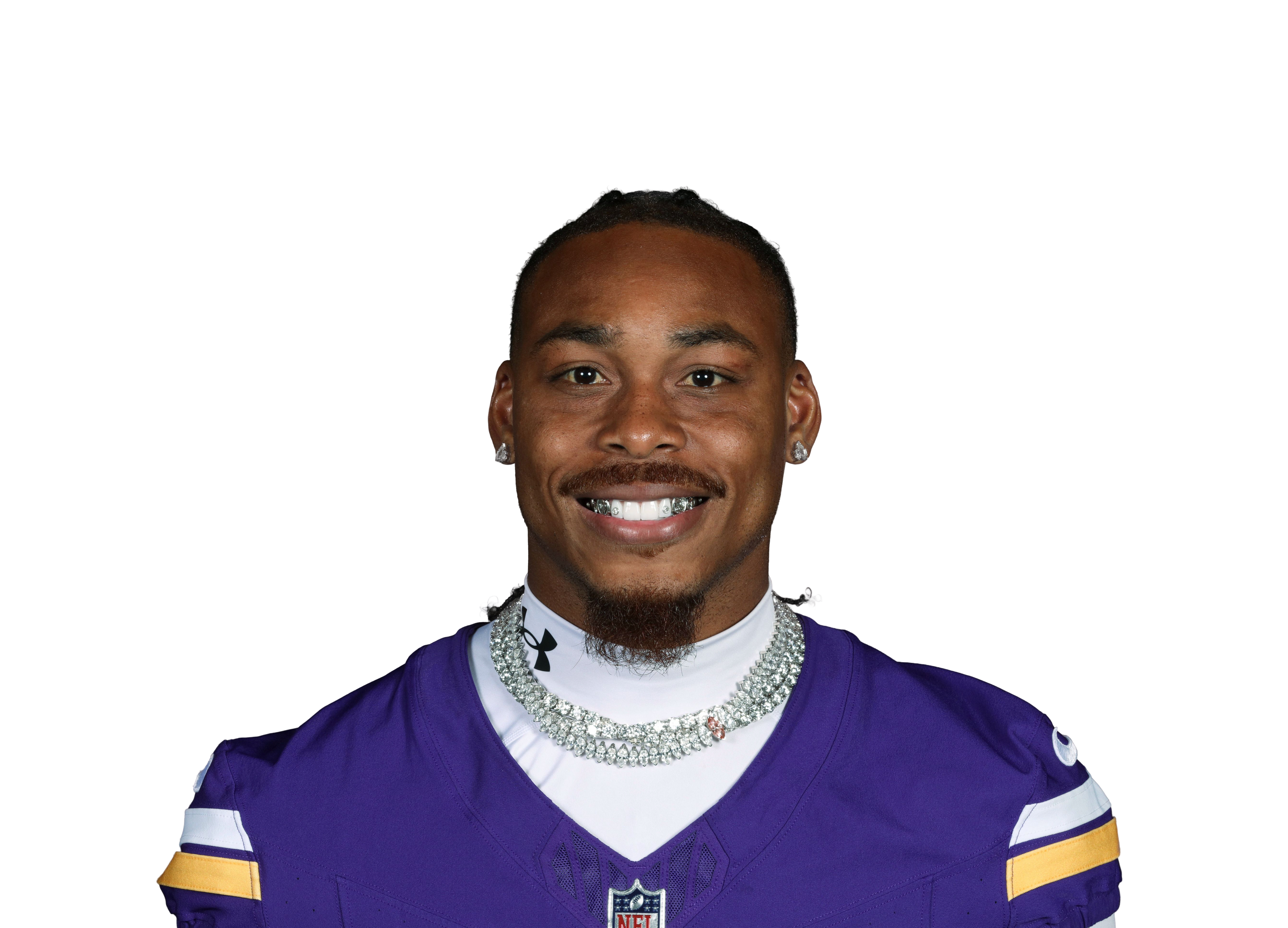
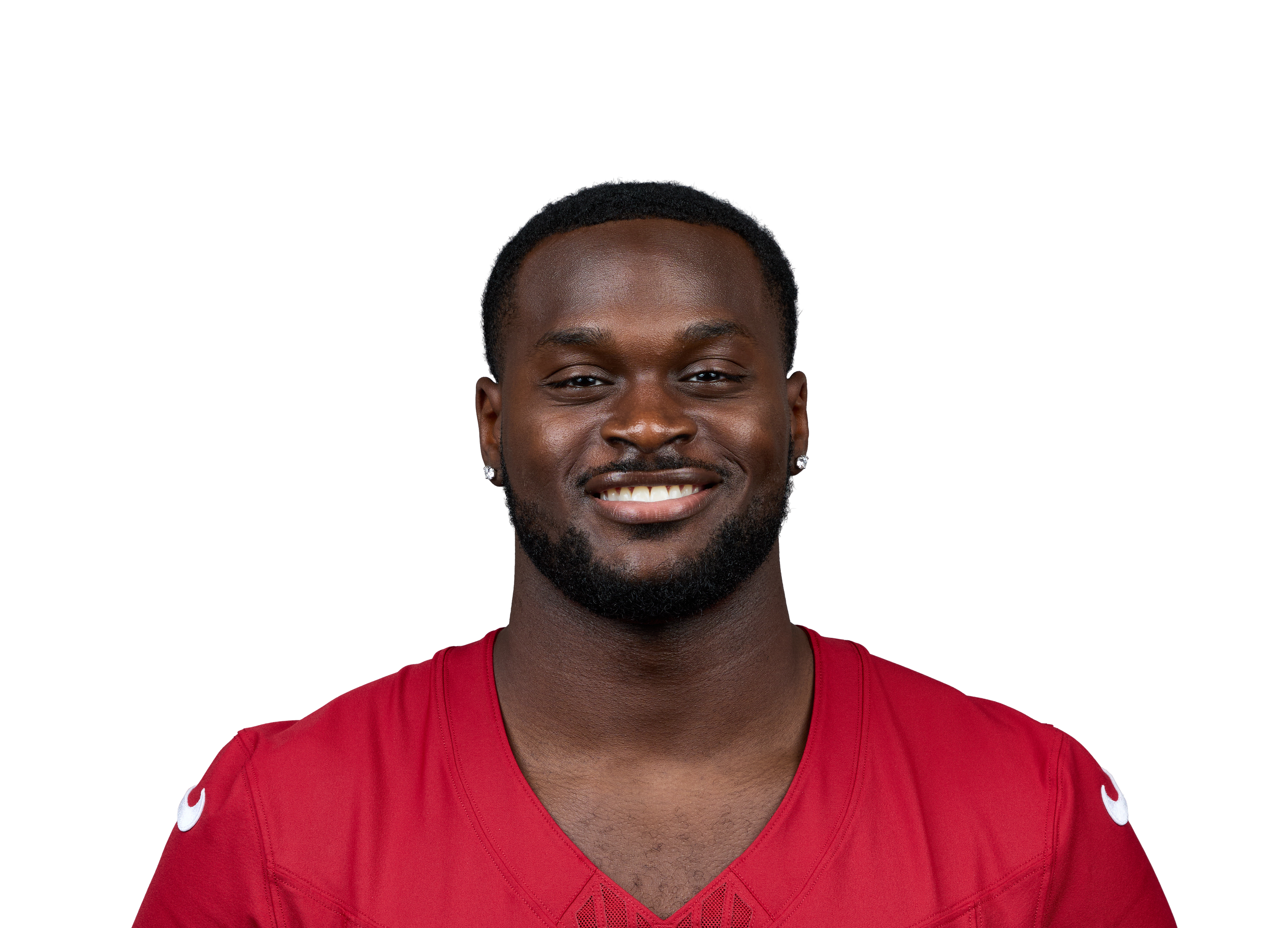
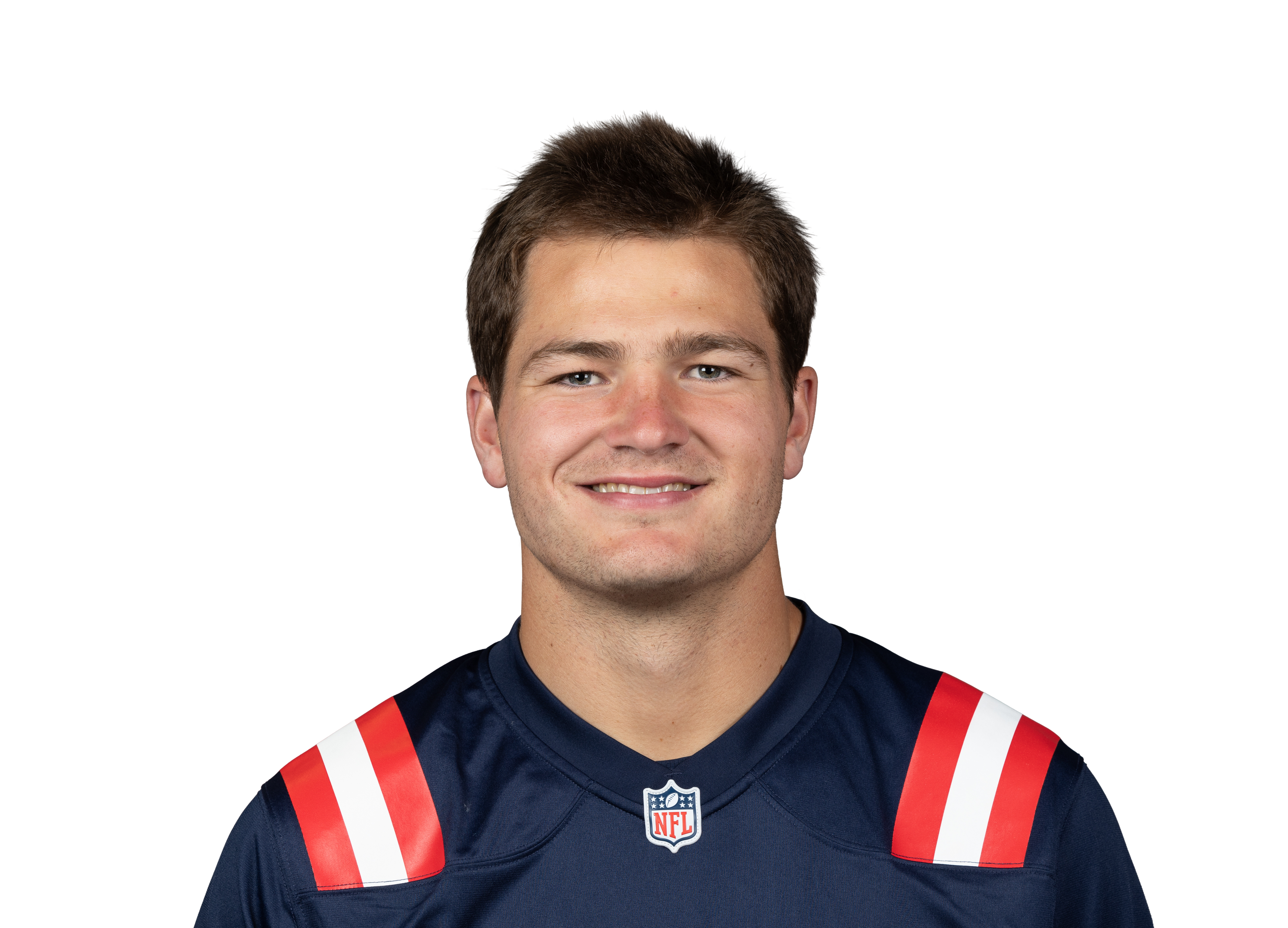
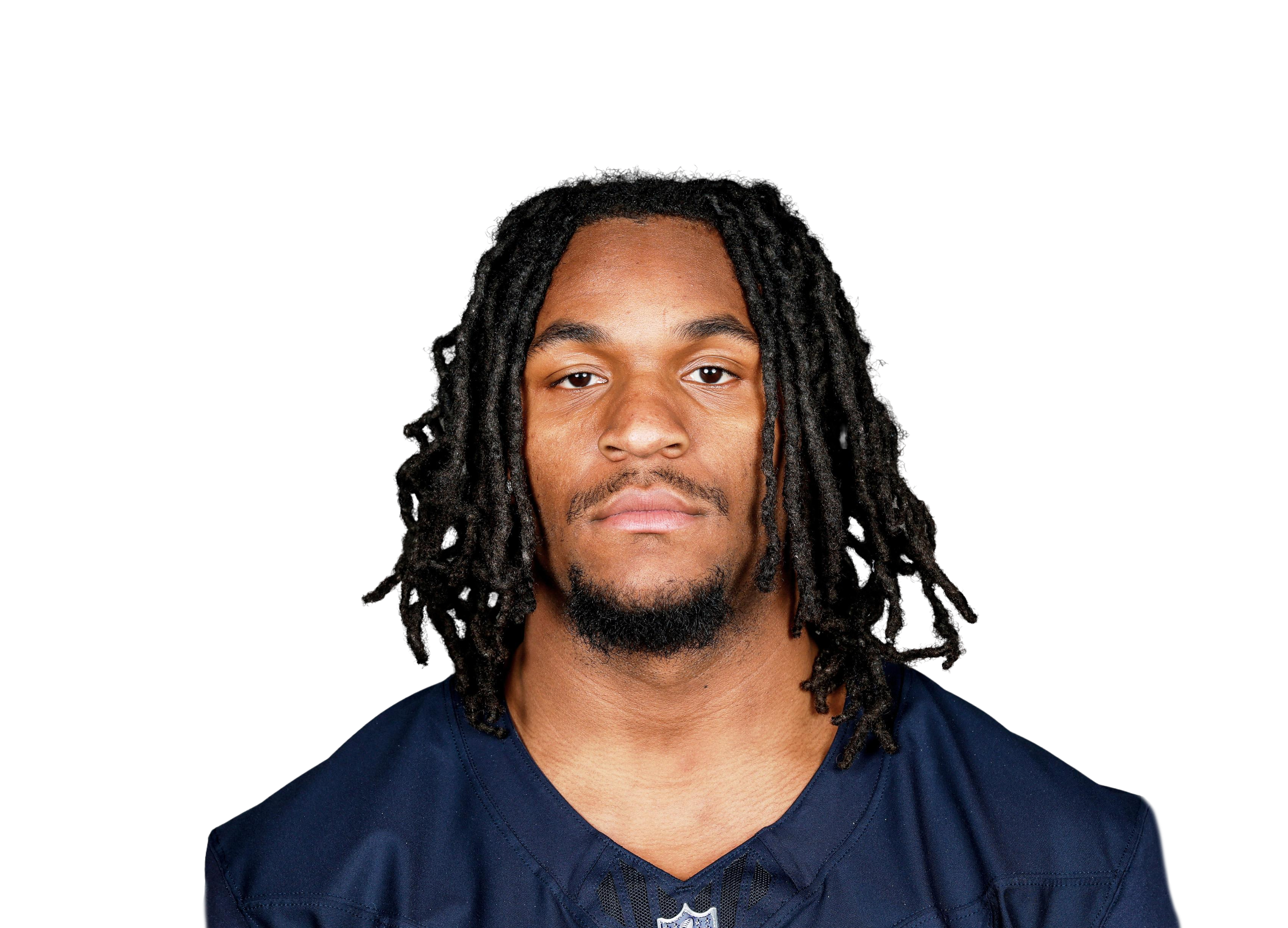

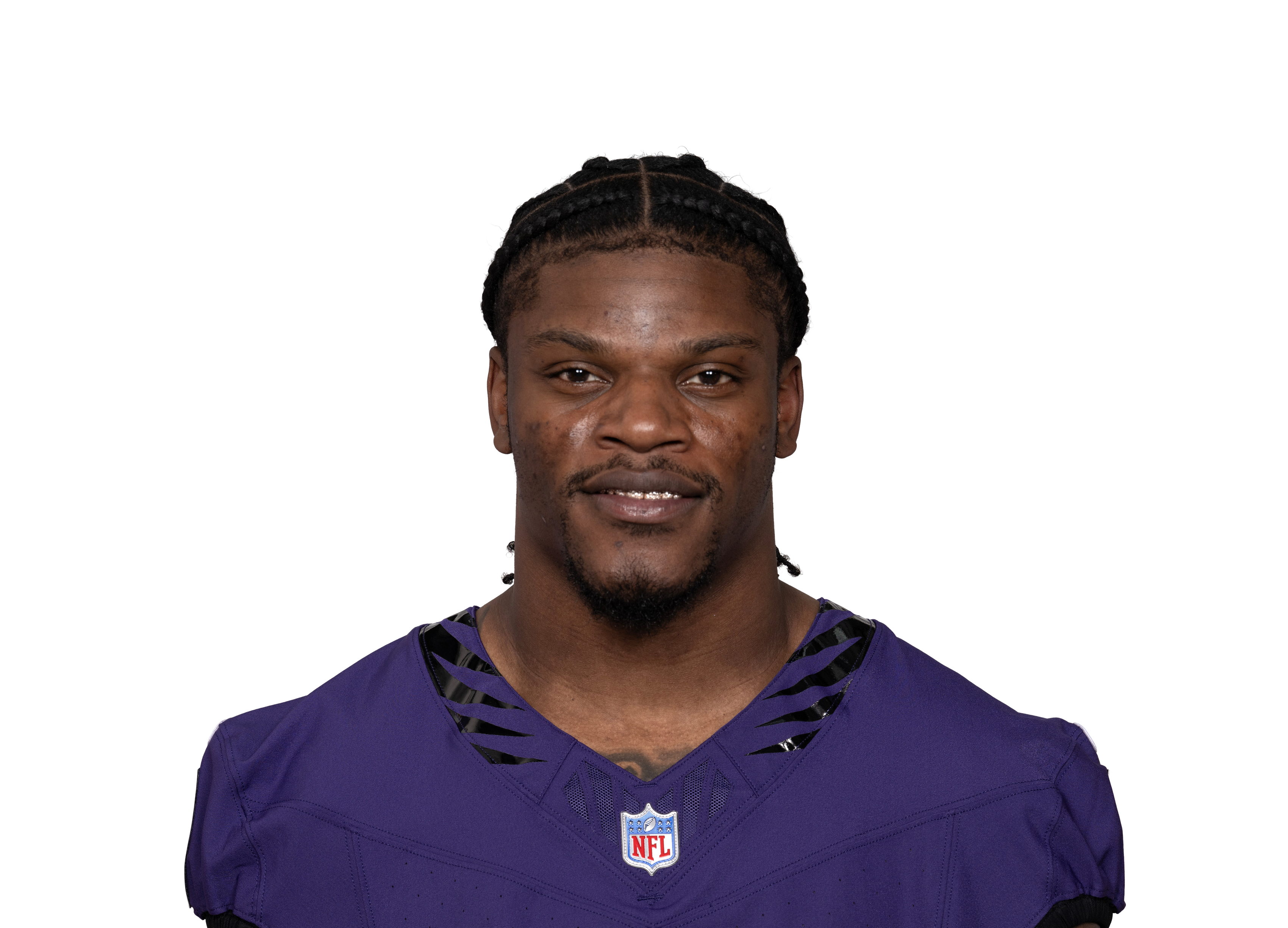
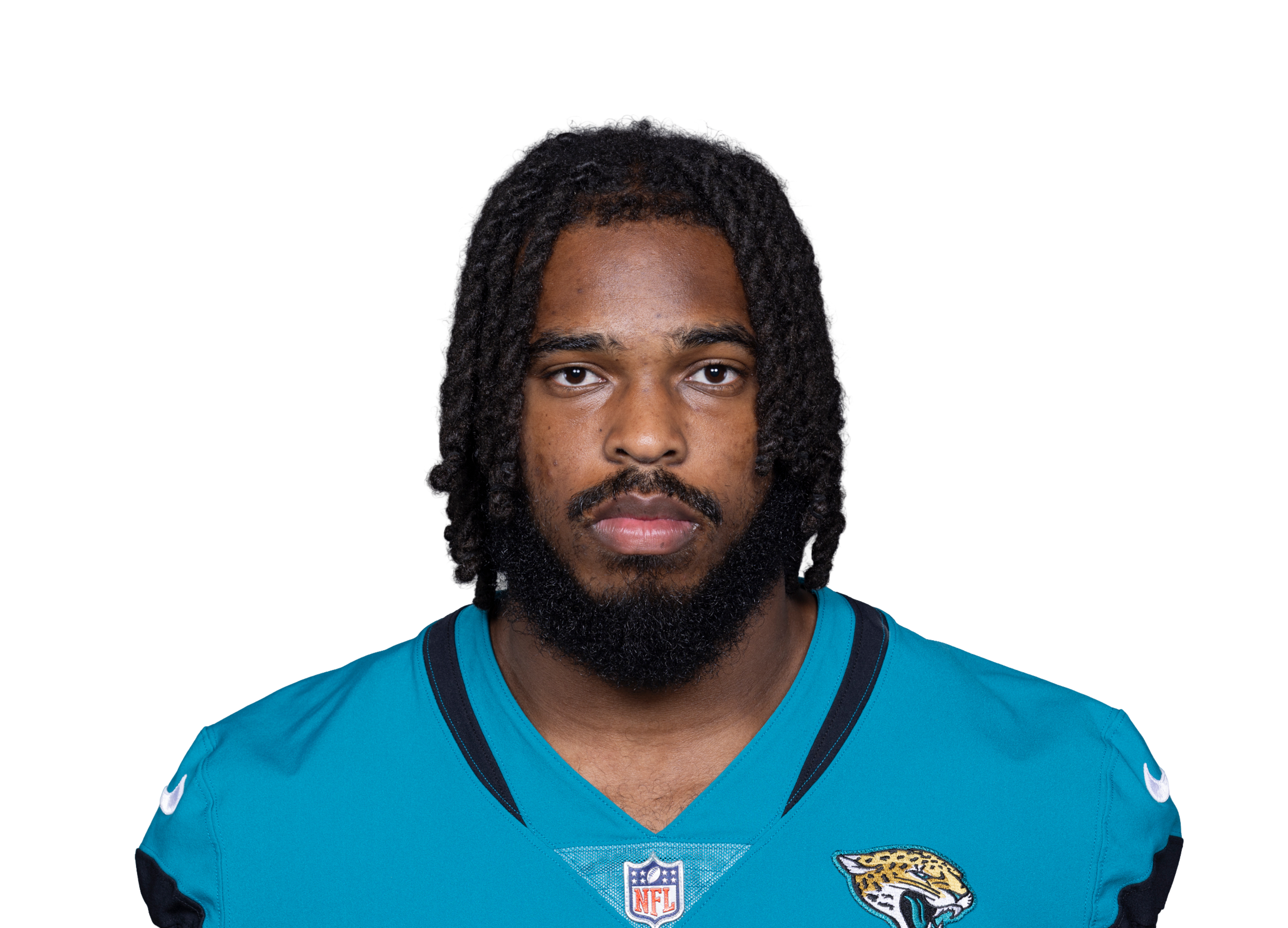
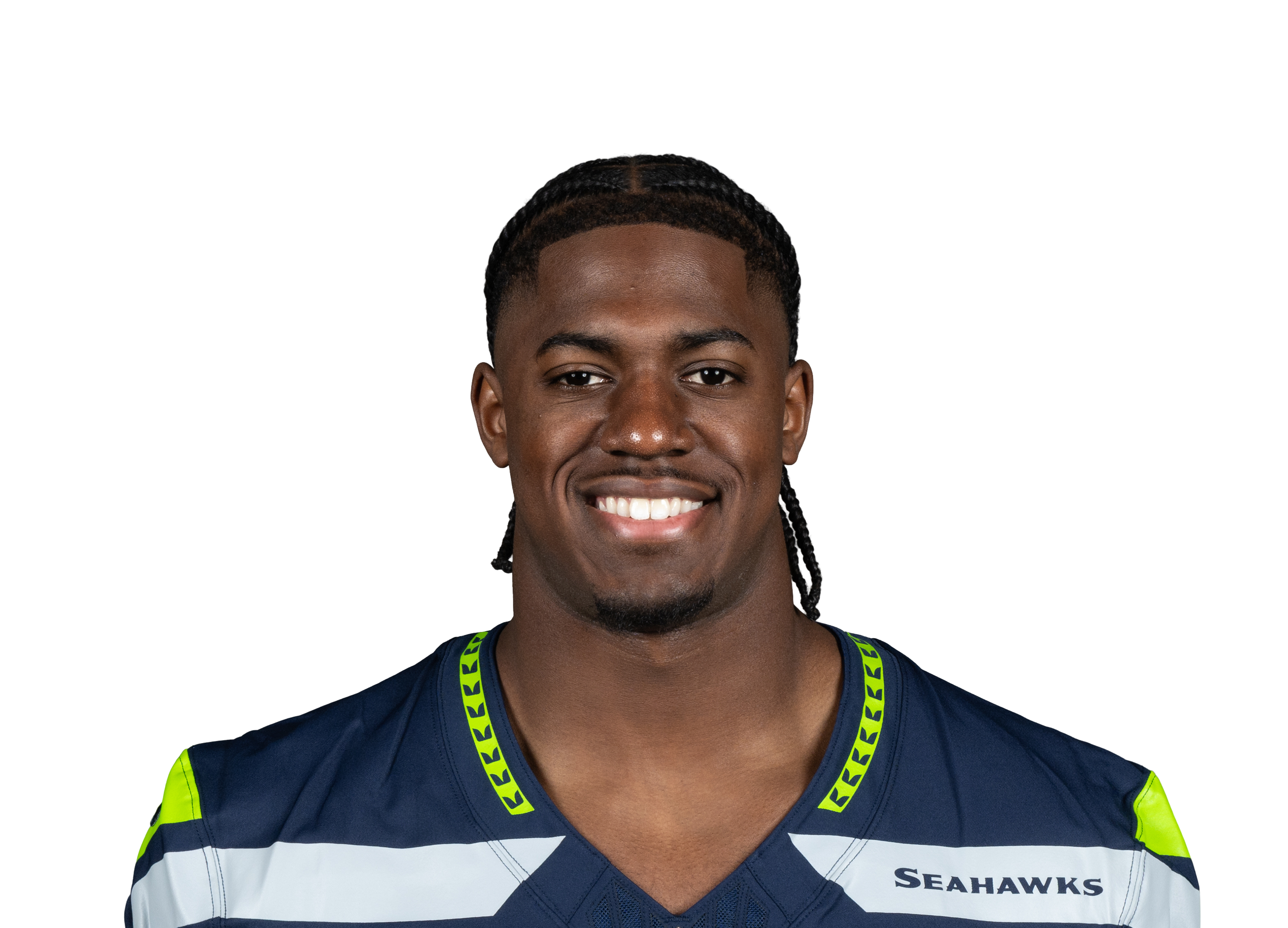
Fantasy draft prices reflect what managers expect next, not merely what happened last season. ADP, or average draft position, shows where a player is typically selected, and the key question is what else you surrender by paying that price.
The market is charging for improvement
Eight players are being drafted 12 to 25 picks earlier than their 2025 production justifies. That gap does not automatically make them wrong picks, but it identifies where the market requires a better 2026 result than last season delivered.
Luther Burden III leads the list at an ADP of 5.04, which is 25 picks earlier than his 8.5 PPR points per game last season supports. Bhayshul Tuten goes at 5.10, 23 picks earlier than his 5.9 points per game supports.
The cost reaches the early rounds with Justin Jefferson. His 2.01 ADP is 15 picks earlier than his 11.9 points per game in 2025 justifies. Opportunity cost means the value of the best alternative you pass up, so an aggressive second-round price matters more than the same gap late. Use the Draft Kit to identify acceptable alternatives before the clock starts.
Burrow shows why price needs context
Joe Burrow is selected at 5.05, or 18 picks earlier than last season's production justifies. He averaged 16.8 points per game across 8 games in 2025.
His boom/bust profile, meaning how often a player produces a big score or a very low one, adds useful context. Burrow scored at least 20 points in 50% of his games and fewer than 8 points in 25%. That combination explains how an average can hide meaningful weekly swings without telling us what 2026 will bring.
The opportunity cost is visible nearby. Drake Maye carries a 5.06 ADP after averaging 20.7 points across 17 games last season. Lamar Jackson, also at 5.06, reached 20 points in 46% of his games and fell below 8 in 31%. The point is not that one must beat another; it is that Burrow's price should be compared with the full menu available there.
Later prices can protect early-round flexibility
Value means getting a player later than his prior production would suggest. Here, the comparison is explicitly between each player's 2026 draft price and his 2025 scoring, not where he could have been drafted last year.
Wan'Dale Robinson has an 8.01 ADP after averaging 13.6 points across 16 games, leaving him 26 picks later than last season's production justifies. Michael Wilson goes at 8.03 after 13.0 points across 17 games, a 25-pick discount by the same comparison.
Later, Jauan Jennings carries a 12.08 ADP after 11.6 points across 15 games, putting him 28 picks later than his 2025 production supports. Troy Franklin sits at 15.02 after 10.4 points across 17 games, a 45-pick gap. Add these names to a queue, then use the Usage Report as another draft-day check.
Rookie prices demand projection discipline
Rookies have no NFL sample, so their prices are projections rather than evidence from professional games. Jeremiyah Love already costs 2.12, while Jadarian Price goes at 6.06 and Carnell Tate at 6.11.
That does not settle whether any rookie is overpriced. It does mean the earlier the selection, the greater the opportunity cost of betting on a projection instead of an established scoring sample.
How to use this: Set a maximum price for every target and pass when the room pushes beyond it. Compare nearby options in the Draft Kit, and treat the Anytime TD Board as a separate market check rather than a reason to chase a name.
Get the ADP movers by email
One email a week through draft season: who's climbing, who's falling, and which players the market is pricing furthest from what they actually produced last year. Free — no account needed.
Weekly through Week 1. No spam, unsubscribe any time.