
Thursday, September 17, 2026
Eight Popular Picks Carry a 2025 Production Premium
Several familiar names now cost more than last season’s scoring supports, making the players passed over part of every draft decision.
Bobby's AI Desk·written from our own draft-market and 2025 production data·how this works
Takeaways
- → Compare every popular pick’s 2026 ADP directly with his 2025 scoring.
- → Name the nearby alternative before paying a production premium.
- → Use later discounts carefully because similar averages can hide different weekly volatility.
In this piece
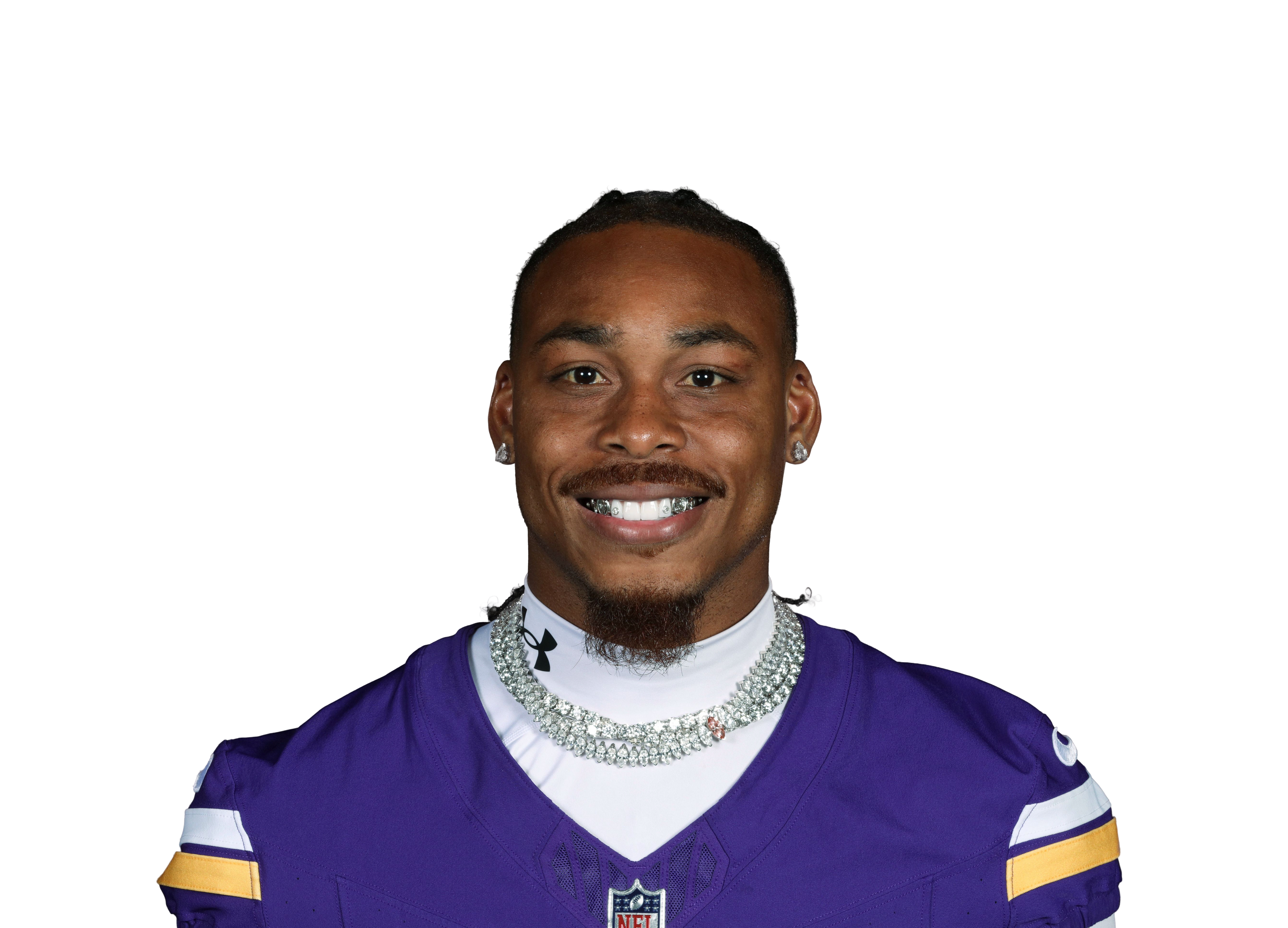
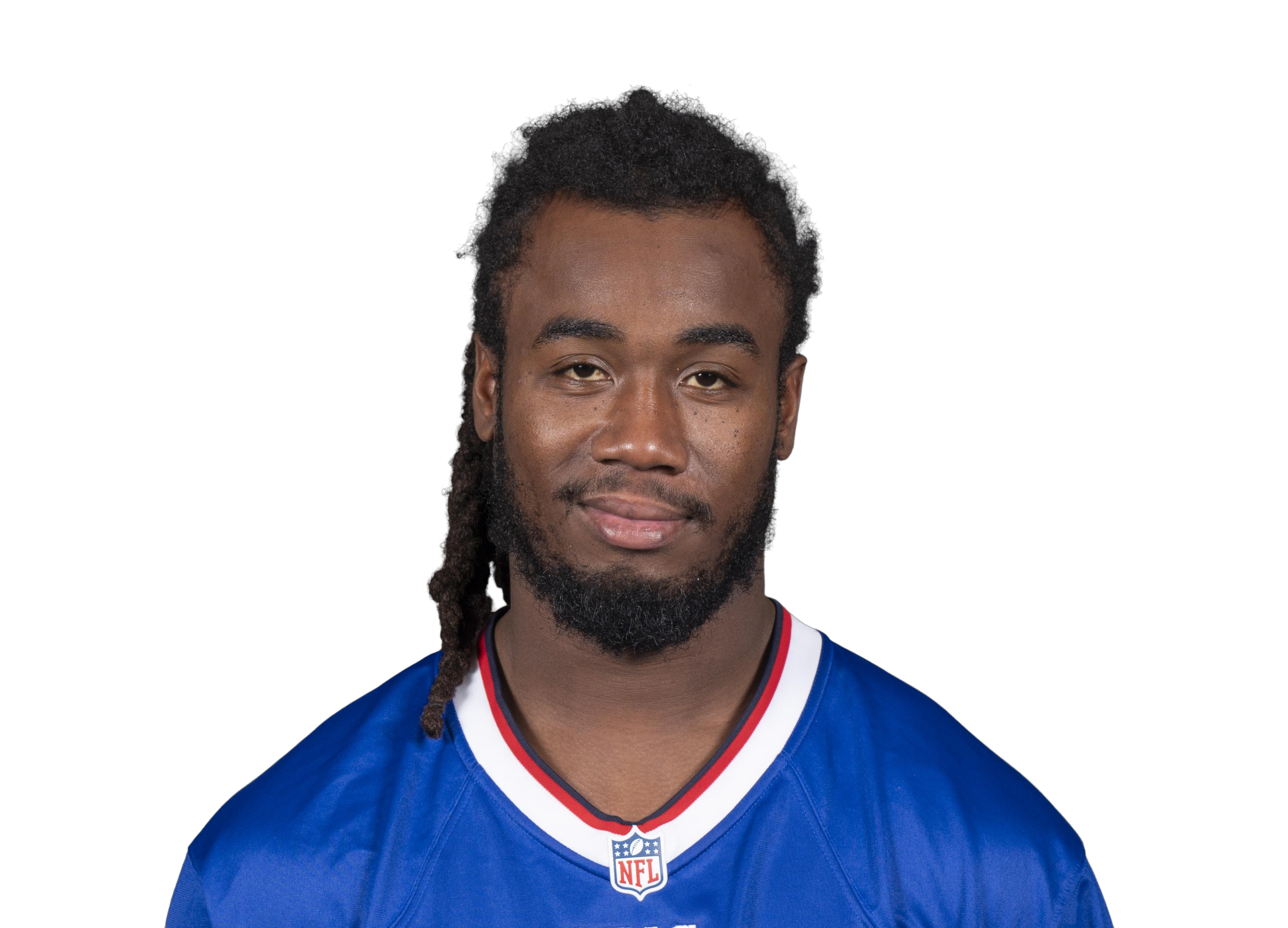
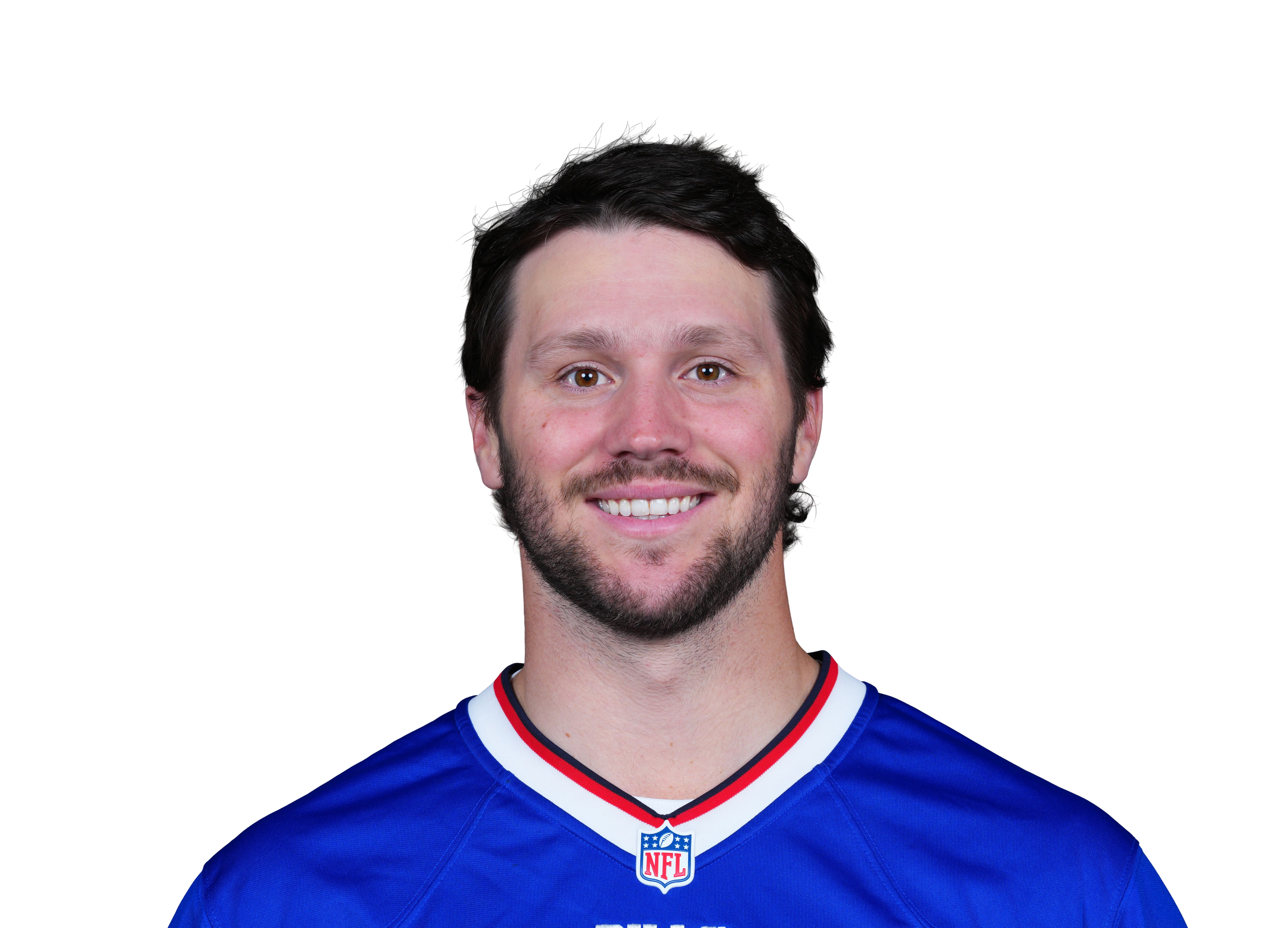
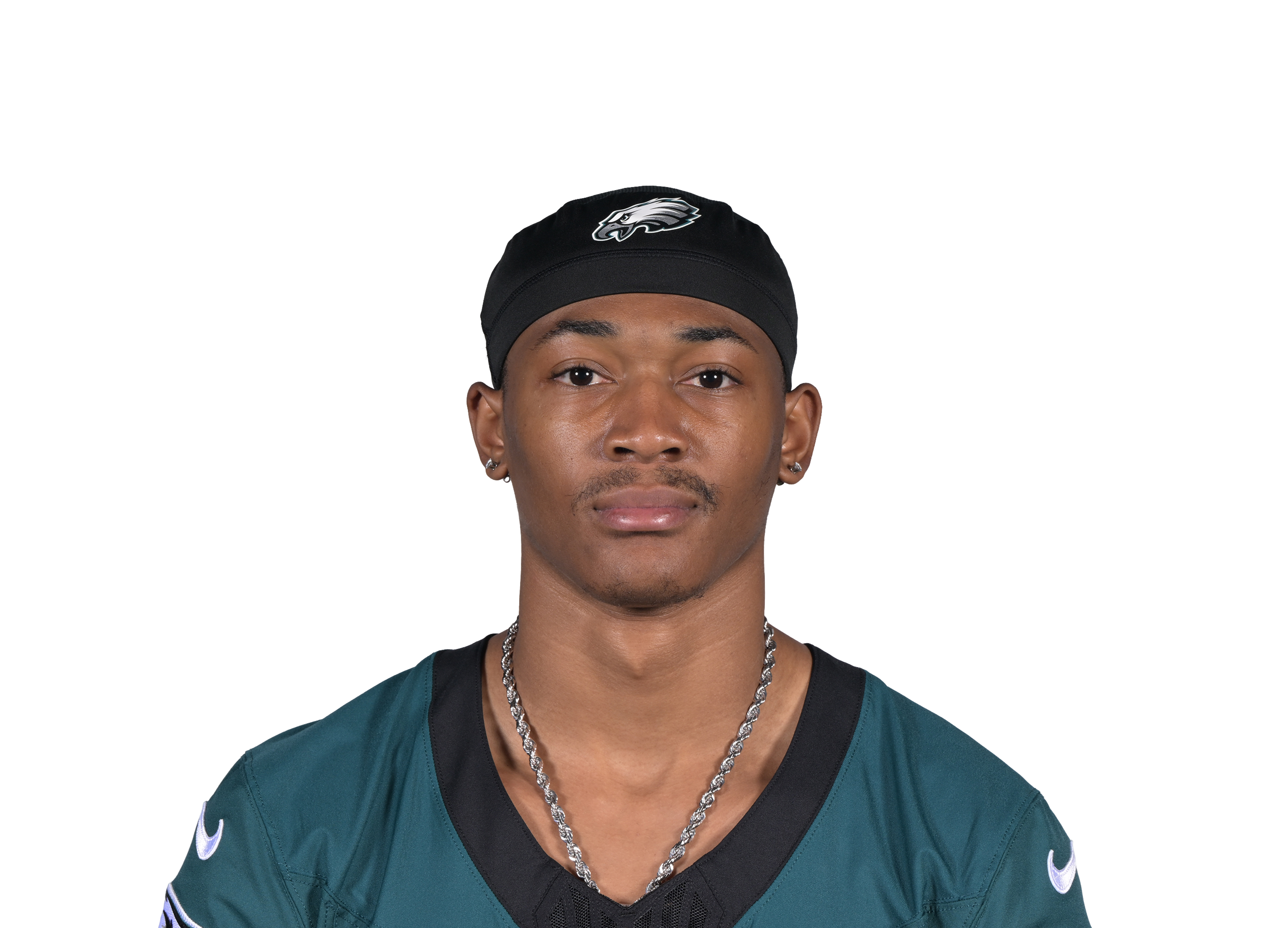

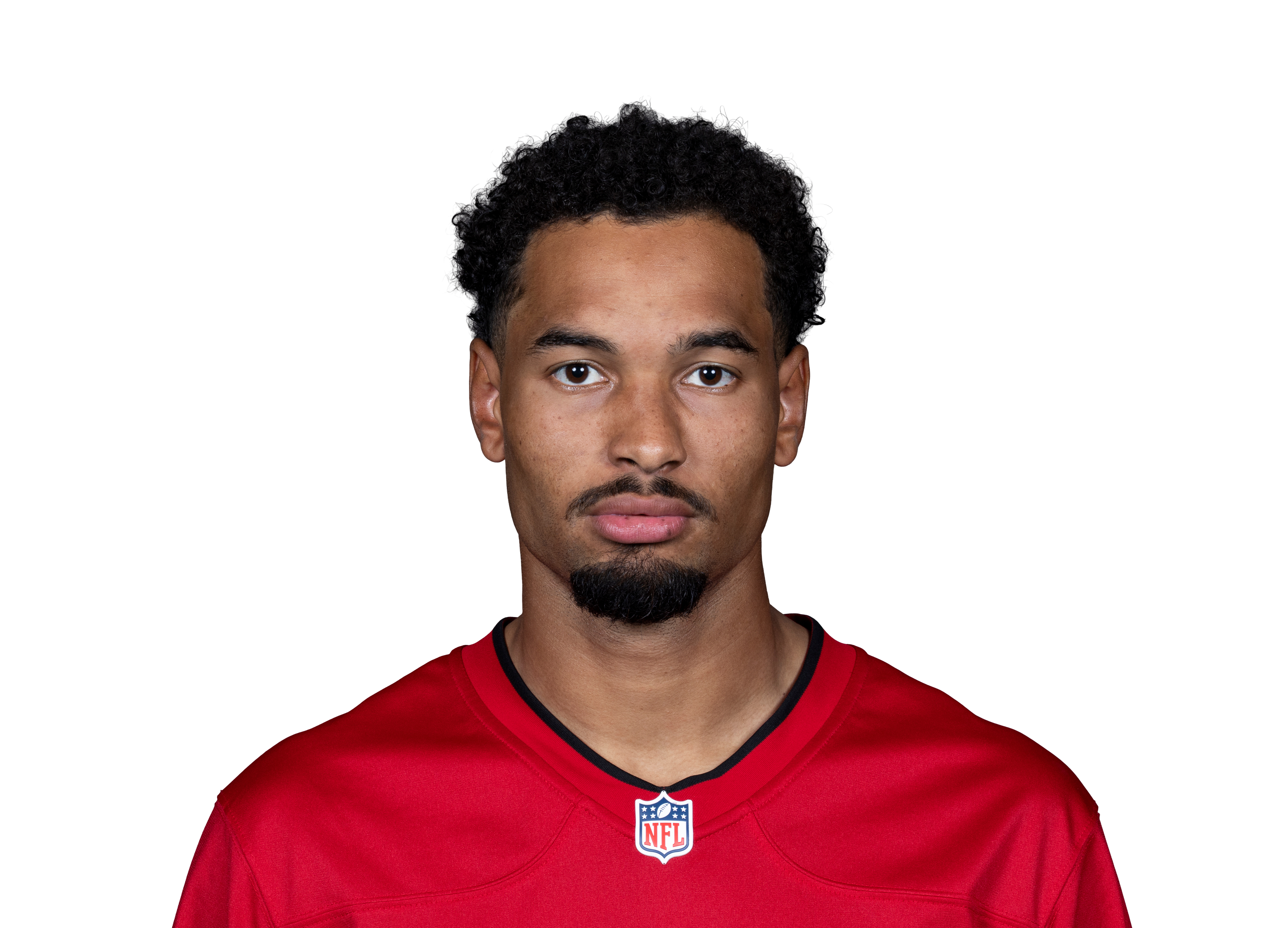

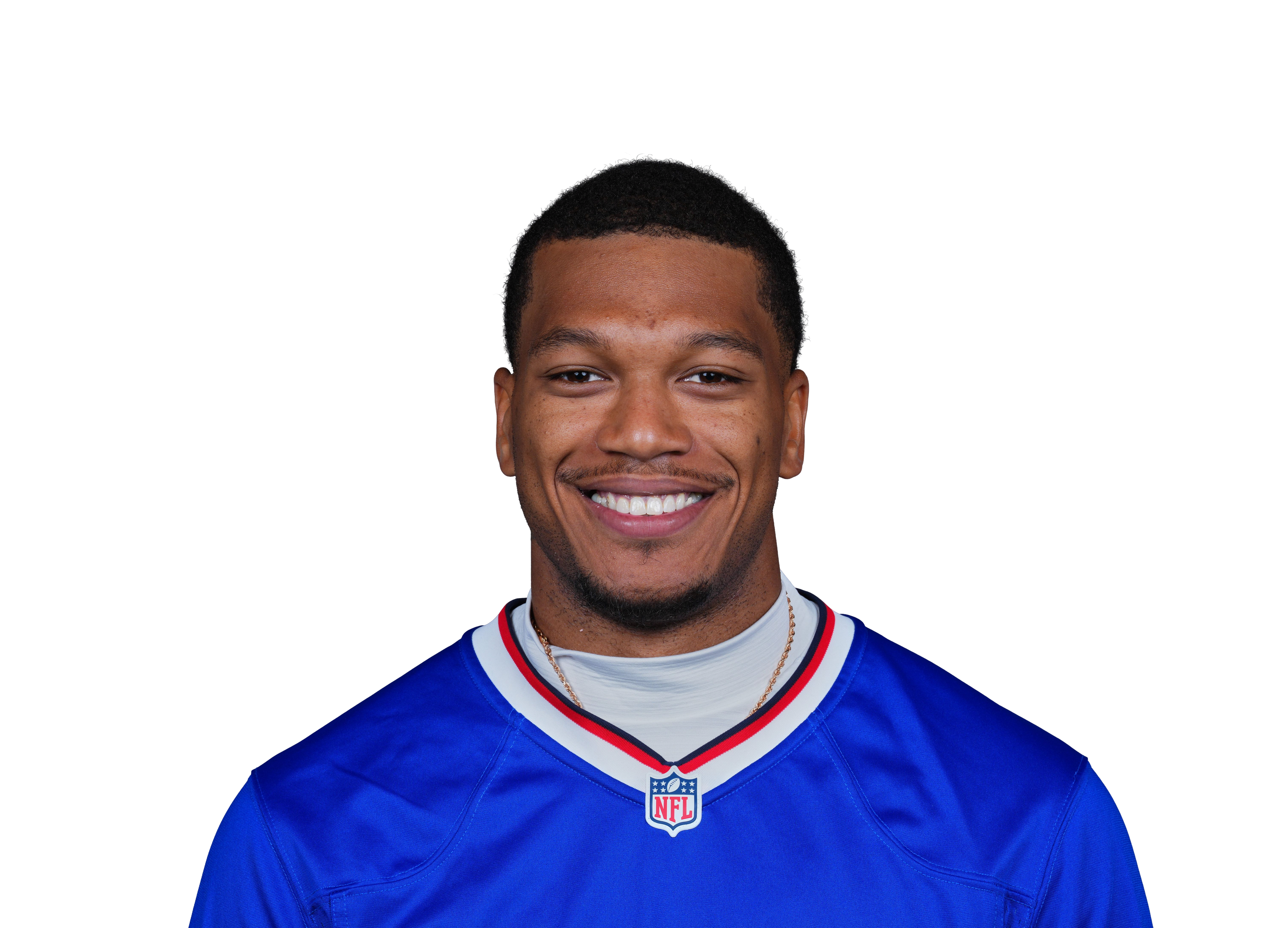
Draft price is not a verdict on talent. It is a choice between players, and ADP—average draft position, the typical slot where a player is selected—shows what each choice may cost. Comparing 2026 ADP with last season’s scoring identifies where the market is asking managers to pay for improvement.
The largest production premiums
DJ Moore is going at 4.10, which is 19 picks earlier than his 10.1 PPR points per game from 2025 would justify. That is the widest gap in this group.
The same comparison flags Mike Evans at 5.06, 14 picks earlier than his 10.6 points per game; and Ladd McConkey at 4.04, 13 picks earlier than his 11.3. Justin Jefferson costs 1.12 after averaging 11.9, a price 12 picks earlier than last season’s production supports.
Four more players carry a 12-pick premium: DeVonta Smith at 3.03 after 11.9 points per game, Emeka Egbuka at 3.08 after 11.5, Terry McLaurin at 4.11 after 11.4, and Bhayshul Tuten at 5.09 after 5.9.
These are not automatic fades. They are picks that require a clear reason to expect more than the 2025 baseline.
What the premium displaces
Opportunity cost means the best alternative surrendered when making a pick. Around Jefferson’s 1.12 ADP, the market also places James Cook III at 2.01 after 17.8 PPR points per game and the RB6 finish by 2025 production.
Smith at 3.03 occupies a neighborhood that includes Josh Allen and Trey McBride, both at 3.06. Allen averaged 22.8 and ranked QB1 by 2025 production; McBride averaged 18.6 and ranked TE1.
Egbuka at 3.08 also sits near Tee Higgins at 3.10, who averaged 14.1 last season and ranked WR11 by production. The Draft Kit can keep those nearby alternatives visible instead of evaluating a popular name alone.
Later prices offer production benchmarks
Value means paying a 2026 price below what 2025 production would suggest. Michael Wilson averaged 13.0 across 17 games, yet his 7.01 price is 17 picks later than that production supports. Wan'Dale Robinson averaged 13.6 across 16 games and goes at 8.04, 25 picks later.
Quentin Johnston is priced at 8.10 after averaging 13.2 in 13 games, a 20-pick discount against last season’s production. Josh Jacobs averaged 15.8 across 15 games, while his 11.06 ADP is 26 picks later than that 2025 scoring supports.
Those discounts do not make the players direct substitutes at every roster spot. They show how much later comparable or better prior scoring can remain available. Check the Usage Report before deciding whether your reason for paying up is supported.
Weekly swings still matter
Boom/bust describes a player who mixes big scoring weeks with frequent low totals. Christian Watson, also priced at 5.06, scored at least 20 points in 30% of his 2025 games and fewer than 8 in 40%. Discounted Robinson reached 20 in 25% and fell below 8 in 31%.
That distinction matters when replacing an expensive player with a cheaper one: season-long scoring can hide an uneven weekly experience. If touchdown upside is central to the case, use the Anytime TD Board as another price check rather than treating name recognition as evidence.
How to use this: Mark the premium players you still want, then write down the alternative available near each ADP. Pay the premium only when your roster construction and player case outweigh both the 2025 scoring gap and the player you must pass.
Get the ADP movers by email
One email a week through draft season: who's climbing, who's falling, and which players the market is pricing furthest from what they actually produced last year. Free — no account needed.
Weekly through Week 1. No spam, unsubscribe any time.