
Saturday, September 19, 2026
Build Your Draft Plan Around Your First-Round Slot
Early, middle and back draft slots face different player pools because every turn changes how long you must wait.
Bobby's AI Desk·written from our own draft-market and 2025 production data·how this works
Takeaways
- → Early slots should plan around the 2.10-to-3.04 player range.
- → Middle slots can combine an elite receiver with a second-round running back.
- → Back slots should evaluate first- and second-round picks as one pairing.
In this piece
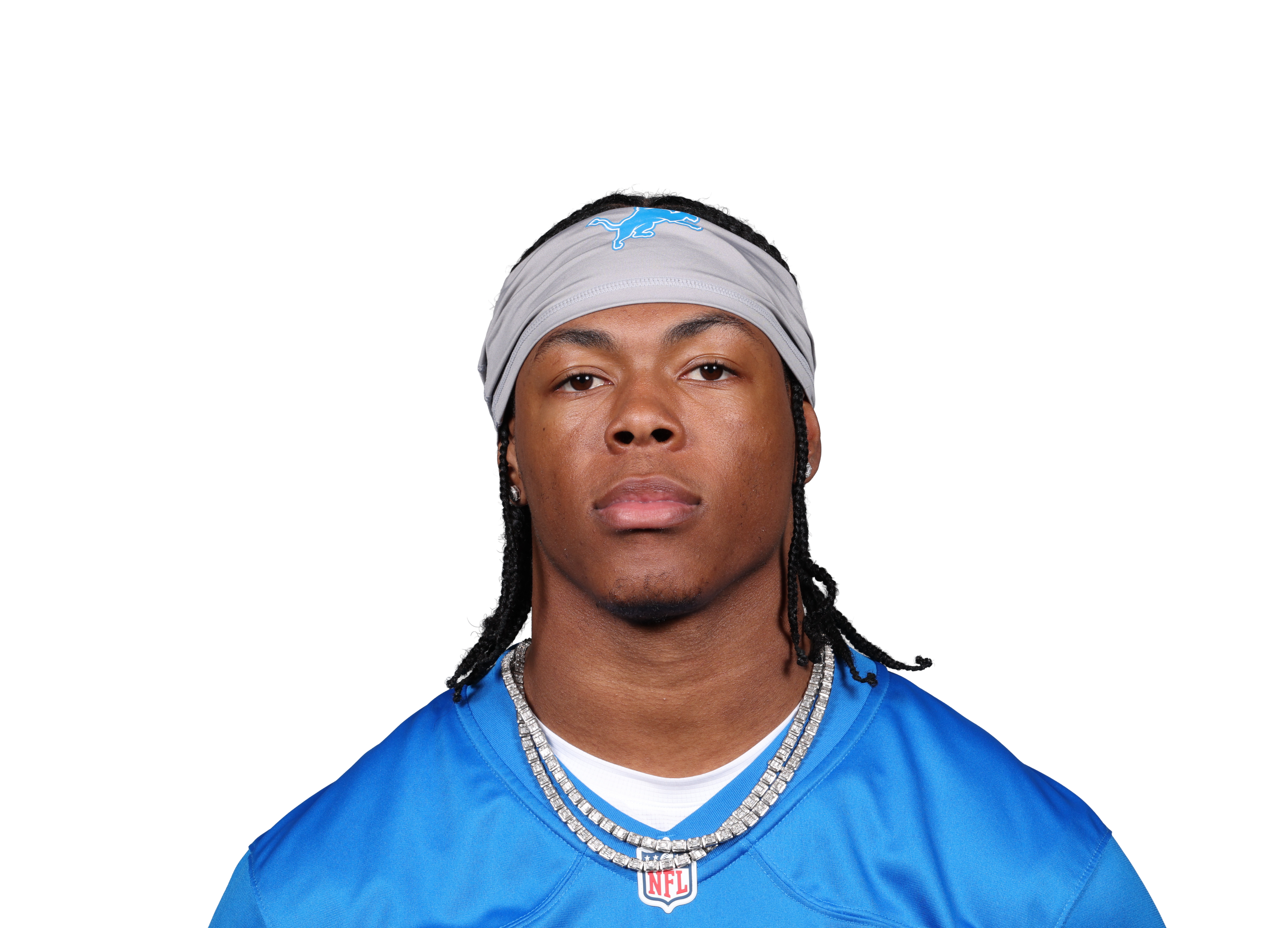
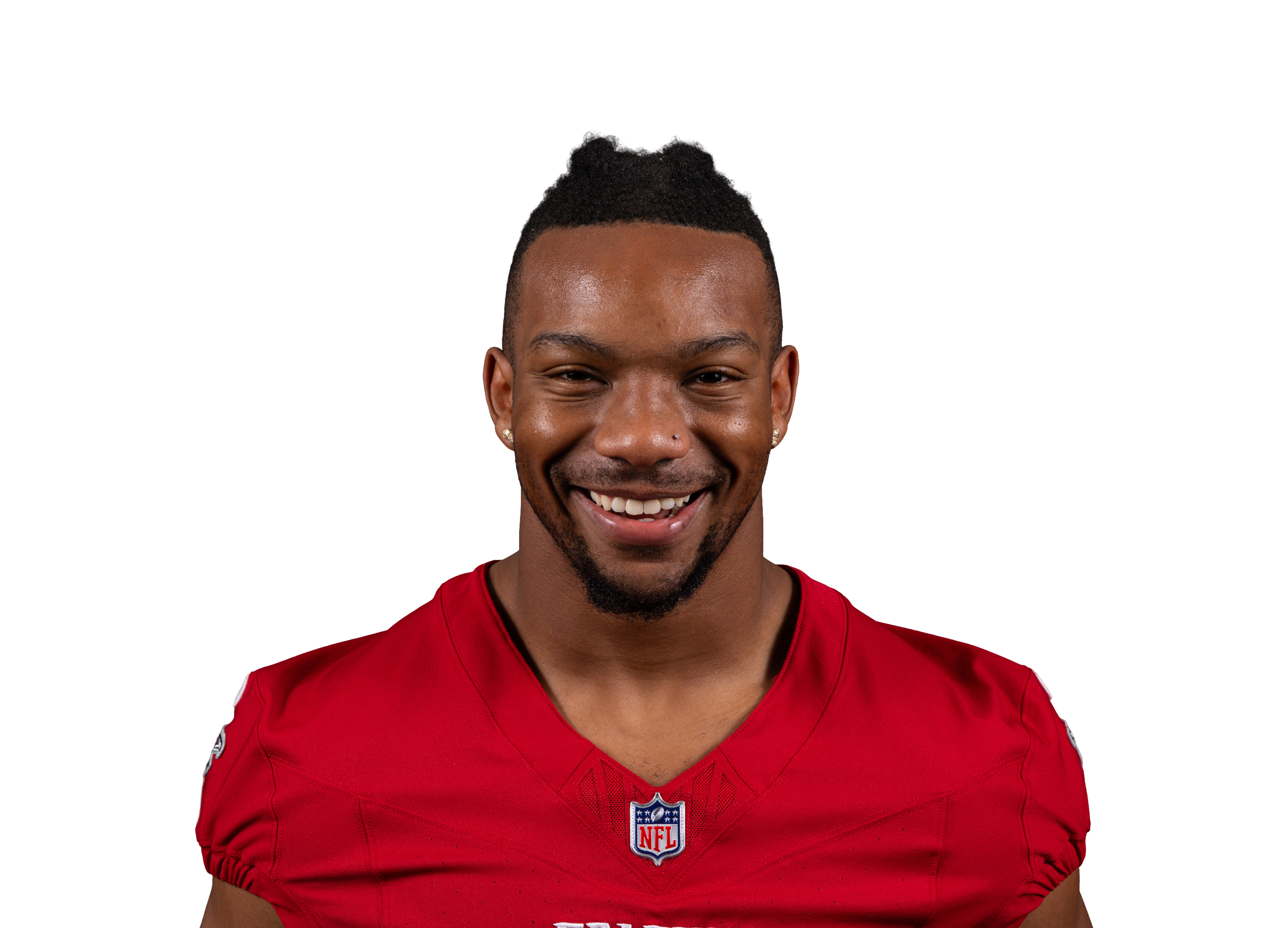
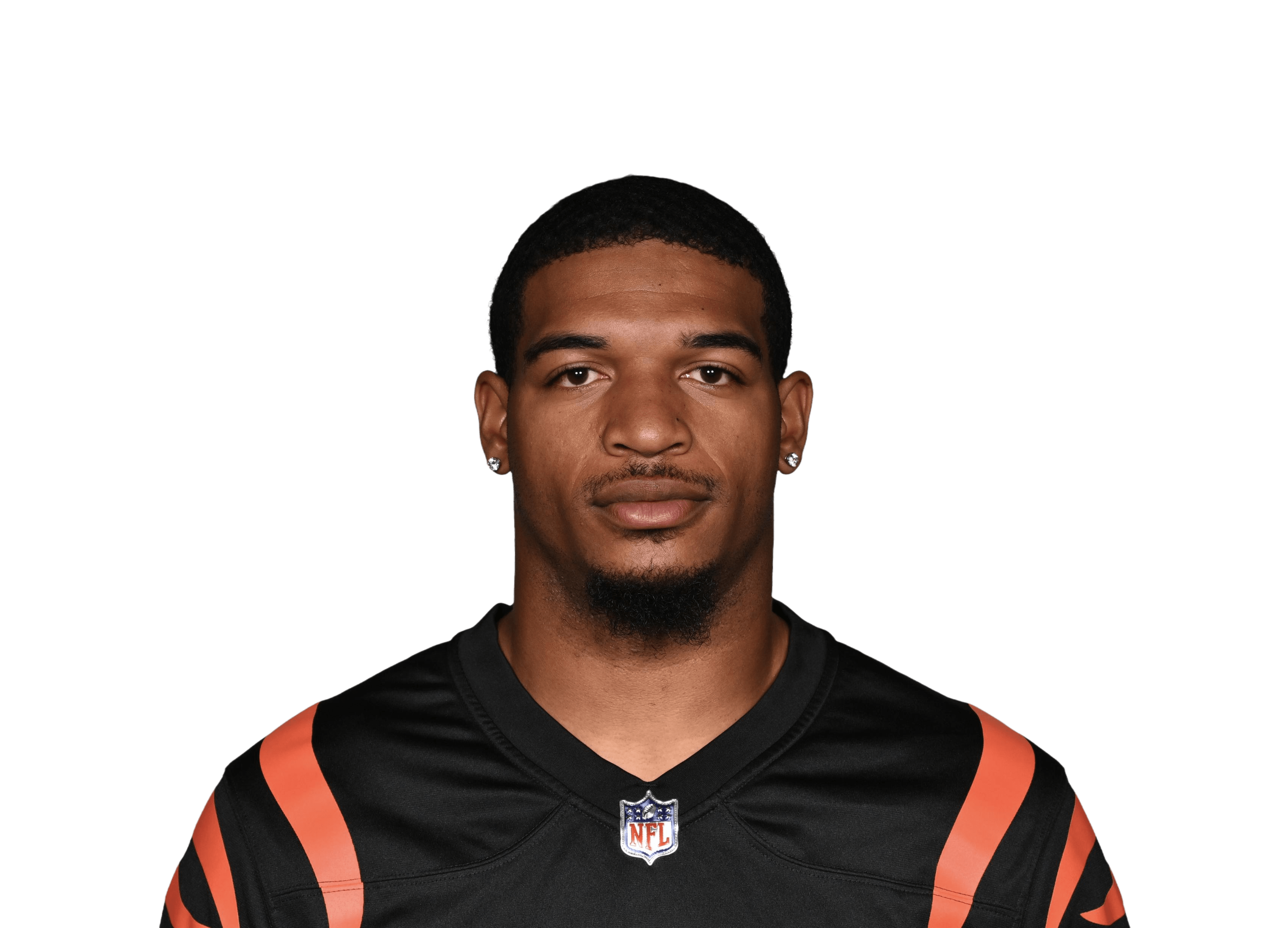
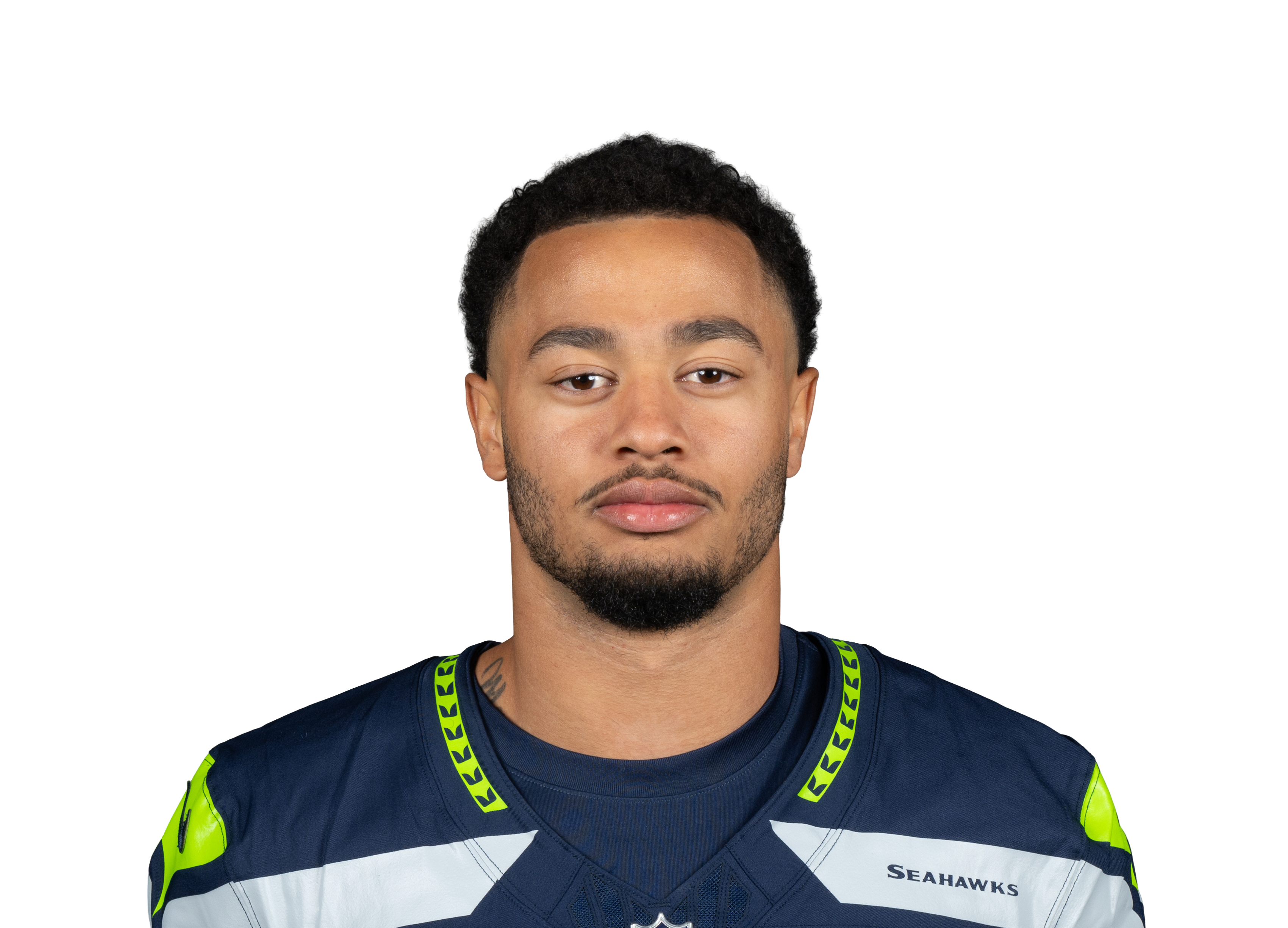
Your first pick determines more than your opening player. In a 12-team snake draft, the wait before your next turn ranges from no intervening selections to 22, so ADP—average draft position, or where a player is typically selected—should shape the plan.
Early slot: secure the production anchor
From 1.01-1.04, the supplied board starts with Jahmyr Gibbs at 1.01, Bijan Robinson at 1.02 and Ja'Marr Chase at 1.04. Last season, Robinson averaged 21.8 PPR points, Gibbs scored 21.6, and Chase scored 19.6.
The long return means your next realistic range is roughly 2.09-2.12, followed quickly by 3.01-3.04. That puts Josh Allen at 2.10, Kenneth Walker at 2.10, Omarion Hampton at 3.01, Malik Nabers at 3.02 and Javonte Williams at 3.04 on the decision tree. These are market ranges, not availability guarantees.
Allen was last season's QB1 at 22.8 points per game. If he goes before your second pick, the Draft Kit shows why forcing quarterback is unnecessary: Joe Burrow is 4.08 and Lamar Jackson is 5.02.
The 1.05-1.08 range: use the shorter wait
Jaxon Smith-Njigba at 1.05 and Amon-Ra St. Brown at 1.06 averaged 21.2 and 19.1 PPR points last season. Their 17-game samples also provide more evidence than a short run. For context, not as a 2026 forecast, Smith-Njigba's 2025 scoring regressed toward the positional average for that 17-game sample carries an 11.35-24.22 range. St. Brown's equivalent range is 6.76-25.55.
Your second pick arrives around 2.05-2.08, where the board lists Saquon Barkley at 2.05, Nico Collins at 2.07 and Ashton Jeanty at 2.08. Then Trey McBride at 3.06 becomes realistic. McBride averaged 18.6 last season, creating a positional-scarcity option—the advantage gained by filling a thinner position.
Back slot: plan the two-player combination
From 1.09-1.12, the wait is zero to six selections. Justin Jefferson at 1.11, Derrick Henry at 1.12 and Chase Brown at 1.12 can be paired with players priced near George Pickens at 2.03, Rashee Rice at 2.04 or James Cook III at 2.04.
The production comparison favors Rice and Cook: Rice averaged 18.8 PPR points over eight games last season, while Cook averaged 17.8 over 17. Jefferson and Henry also have playoff matchup scores of 71 and 70, respectively, where higher means easier. Treat that as a tiebreaker, not the foundation of the pick.
Let later prices come to you
Value means paying less in 2026 than last season's production suggests. Wan'Dale Robinson at 8.02 is being drafted 12 picks later than his 2025 production justifies after averaging 13.6 across 16 games. Josh Jacobs at 10.04 is also going 12 picks later after averaging 15.8 across 15 games.
Weekly volatility still matters. Boom/bust—alternating spike weeks and low scores—shows up with Robinson: he topped 20 points in 25% of games but fell below 8 in 31%. Check the Usage Report before moving these names up, then use the Anytime TD Board only as another tiebreaker.
How to use this: Draft the best opening anchor early, exploit the shorter middle wait, and build two-player combinations from the back. Do not reach multiple rounds for a later value simply because your next turn feels distant.
Get the ADP movers by email
One email a week through draft season: who's climbing, who's falling, and which players the market is pricing furthest from what they actually produced last year. Free — no account needed.
Weekly through Week 1. No spam, unsubscribe any time.